Buying a GPS dog collar often comes with high expectations. You expect instant location updates, reliable alerts, and peace of mind every time your dog is out of sight.
In many cases, GPS collars do help—but daily use doesn’t always match what owners imagine at the time of purchase.
If you already own a GPS dog collar or have just started using one, some things may feel confusing or even disappointing. This is not a buying guide, and it’s not about choosing the “best” tracker.
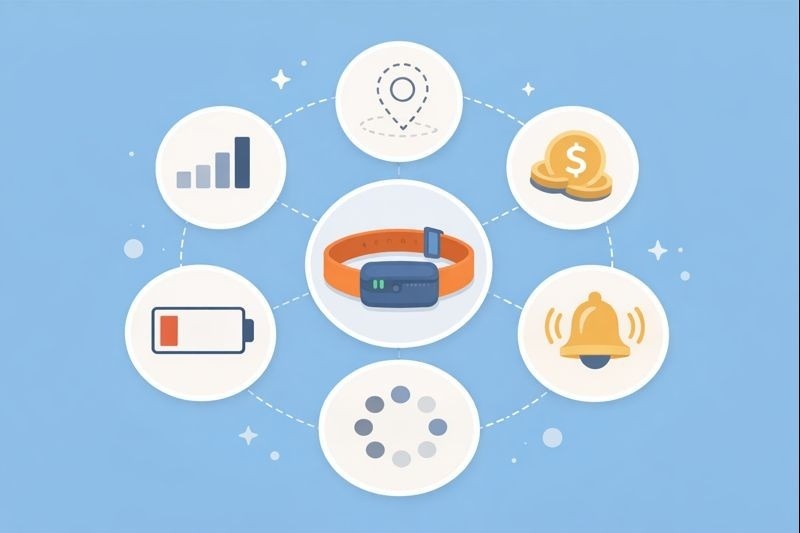
Instead, this article examines the common, real-world GPS dog collar problems that many dog owners notice only after they start using one, and why these issues occur in everyday situations.
The goal here isn’t to discourage you. It’s to set realistic expectations so the collar works as a helpful safety tool, not a source of frustration.
To understand why these issues show up, let’s start with the problem most owners notice first.
The Location Doesn’t Update as Fast as You Expect
This is usually the very first thing people notice, often within the first day of use. Before diving into the reasons, it helps to understand how this delay actually feels during everyday situations.
How Tracking Lag Shows Up in Daily Use
One of the first things new users notice is that the location on the app does not always feel instant. You may see your dog move, but the map updates a few seconds or even a minute later.
Sometimes the dot jumps from one spot to another instead of moving smoothly. For owners who expect live tracking, such as a video feed, this can be disappointing.
A common example is during a walk or park visit. You might see your dog sprint ahead, stop, and come back, while the app still shows them halfway down the path. This mismatch can feel unsettling at first, even though the collar is still doing its job.
Why does this happen in normal use?
This happens because GPS dog collars are not designed to stream constant movement. Doing so would drain the battery very quickly.
To avoid that, most collars update location at short intervals rather than every second. The app also needs time to send and receive information, which adds a small delay.
Once owners understand that GPS tracking is about direction and general position rather than second-by-second movement, frustration usually fades.
What helps, and what doesn’t
In normal outdoor use, this delay rarely causes real problems. If a dog escapes, the location still gives a strong idea of direction and distance. Watching the map constantly creates unnecessary stress.
Checking it periodically provides the same benefit without the frustration. Viewing alerts as warnings rather than precision tools reduces frustration.
Escape Alerts Go Off Even When the Dog Hasn’t Left
After setting up safe zones, many owners expect alerts to be rare and serious. That expectation is often challenged early on.
The confusion most owners face
Another very common frustration involves escape alerts. Many owners set up a safe zone around their home, expecting alerts only when the dog truly leaves the area. Then one day, the phone buzzes even though the dog is still in the yard or even inside the house.
This often leads to repeated checking, pacing, and unnecessary worry, especially for new users who trust alerts completely at first.
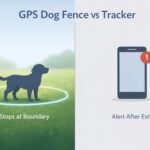
Many false alerts happen because people don’t fully understand how safe zone alerts work on GPS dog collars, especially in smaller yards.
Why GPS boundaries aren’t exact
This can feel alarming at first and may make owners question the reliability of the collar. The truth is that GPS boundaries are not perfectly sharp lines.
Location signals can drift slightly, especially near walls, trees, or buildings. When the dog moves close to the edge of the safe zone, the system may think they stepped out, even if they didn’t.
With regular use, tracking feels more predictable.
How owners usually reduce false alerts
False alerts become less concerning once boundaries are adjusted. Making the boundary slightly larger often solves the problem.
It also helps to remember that these alerts are meant to warn, not to provide perfect precision. Once people stop expecting perfection and instead see alerts as early warnings, trust in the system improves.
The Collar Works Well in Some Places but Poorly in Others
This realization often comes after a few weeks of use, when patterns start to emerge.
Where tracking usually feels unreliable
Many dog owners notice that tracking feels strong in one location but weaker in another. The collar may work well in open areas, yet struggle inside the house or in certain neighborhoods. This inconsistency can feel confusing, especially if the collar worked perfectly the day before.
For example, tracking might feel accurate during hikes but less reliable inside apartments or dense residential areas.
Why GPS signal strength changes
This happens because GPS signals depend heavily on their surroundings. Open spaces allow signals to travel freely, while buildings, trees, and dense areas interfere with them. Cellular coverage also plays a role, as the collar needs to send information back to the app.
What owners learn over time
With time, most owners learn which areas provide the best tracking and which ones don’t. Instead of expecting the collar to work equally everywhere, they adjust how they use it. In weaker areas, location history becomes more useful than live tracking.
Battery Life Feels Shorter Than What Was Advertised
Battery expectations are another area where reality slowly settles in.
What surprises new users
Battery life is another area where expectations often clash with reality. Many owners are surprised by how often the collar needs charging, especially during active days. A long walk, frequent alerts, or extra tracking can drain the battery faster than expected.
Why does real use drain the battery faster
This does not mean the collar is faulty. Advertised battery life is usually based on ideal conditions, such as minimal movement and fewer updates. Real life is more demanding. Active dogs, frequent app checks, and alert-heavy days all use more power.
How experienced owners manage it
After a few weeks, charging becomes routine. They charge the collar more often, especially before outings. Over time, charging becomes part of normal pet care, much like charging a phone.
The App Feels Overwhelming at First
This issue is more emotional than technical and very common.
What first-time users struggle with
Opening the app for the first time can feel like too much information at once. Maps, numbers, alerts, and activity summaries may appear confusing, especially for users who are not comfortable with technology.
Why GPS apps aren’t beginner-friendly
This confusion is common because GPS apps are designed to serve many different users with different needs. Instead of being simple from the start, they often grow more understandable with time.
How most owners adjust
As familiarity grows, the app feels less intimidating. People learn what matters to them and stop worrying about every number. What feels overwhelming in the first week often becomes routine after a month of use.
Activity Tracking Doesn’t Always Match Real Life
This is another expectation gap that becomes clear with use.
Common doubts owners have
Some GPS dog collars include activity tracking, which can be helpful but also confusing. Owners sometimes notice that the activity numbers do not match what they observed during the day.
Why GPS collars aren’t fitness trackers
This happens because GPS collars estimate activity based on movement patterns, not direct measurement. Different dog sizes, walking styles, and collar positions all affect the results.
How owners use this data realistically
Over time, many owners stop treating activity data as exact numbers. Instead, they use it to notice trends. Used this way, the data becomes helpful rather than frustrating.
A GPS Collar Is Not a Substitute for Watching Your Dog
This is something most owners don’t realize right away, and it usually becomes clear only after a few weeks of regular use. A GPS collar adds reassurance, but it doesn’t remove the need to stay alert and involved.
What many owners expect at first
Some people assume that the moment their dog steps out of bounds, the collar will instantly alert them and prevent the situation from getting worse. There is often an unspoken belief that the technology will “handle it” before the owner even needs to react.
For example, an owner might let their dog roam a little more freely in the yard, trusting that the phone will buzz immediately if something goes wrong.
That confidence can feel comforting at first, especially for people who have dealt with past escapes.
What usually happens in real life
In practice, alerts are not instant, and they are not meant to be. There can be short delays between when a dog moves and when the notification reaches your phone.
Even a delay of a minute can matter if a gate is open or a dog slips through a gap.
GPS collars are designed to help you find your dog after something unexpected happens, not to physically stop the situation from unfolding. They show location, not intent, and they rely on the owner to act once information is received.
How most experienced owners think about it
Over time, most owners begin to see the GPS collar as a safety backup rather than a replacement for supervision. They still use leashes, close gates carefully, and stay attentive during outdoor time.
Treating the collar as backup instead of prevention changes how it feels. Instead of expecting it to prevent every problem, owners appreciate it for what it does best: helping them respond quickly when something slips through the cracks.
Are These GPS Dog Collar Problems Normal or Serious?
After reading through these common experiences, it’s natural to pause and wonder whether GPS dog collars are actually worth the effort. The answer is not the same for everyone, and that’s where realistic expectations matter most.
When GPS collars tend to feel helpful
For dogs that are curious, adventurous, or known to wander, GPS collars often provide genuine peace of mind. This is especially true in larger yards, rural areas, or places where dogs have more freedom to move around.
Owners in these situations usually accept small delays, occasional false alerts, or regular charging as reasonable trade-offs for knowing where their dog is when it matters most.
When they can feel frustrated
On the other hand, GPS collars may feel disappointing for people who expect instant accuracy or hands-free safety. In small spaces or busy neighborhoods, the limits of GPS technology become more noticeable, and that can lead to frustration if expectations are too high.
This doesn’t mean the collar is failing. It usually means it’s being asked to do more than it realistically can.
How most owners decide if it’s worth it
The owners who are happiest with GPS collars are usually the ones who understand these limits early on.
They don’t expect perfection. Instead, they look at whether the collar fits their lifestyle, their dog’s habits, and their comfort with technology.
When expectations match real-world use, GPS collars stop feeling like a gamble and start feeling like a sensible tool. That clarity is what turns a potentially frustrating purchase into a helpful one.
Final Thoughts
These collars are helpful tools, but they are not perfect. Most of the GPS dog collar problems people experience are not failures of technology, but misunderstandings about how it works in everyday life.
Delays, false alerts, battery limits, and app confusion are all part of the experience for many users.
Knowing these things in advance allows you to make better decisions. It helps you choose the right product, set realistic expectations, and use the collar in a way that actually improves safety.
GPS collars reduce uncertainty but do not eliminate technical limits such as signal delay, drift, and battery tradeoffs.
The Smart Pet Gears Team (Team SPG) is a group of pet care researchers, product analysts, and writers dedicated to helping dog owners make informed decisions about smart collars, GPS trackers, and pet technology.
Our articles are based on manufacturer documentation, veterinary guidelines, testing insights, and independent analysis to ensure accuracy and transparency.