Garmin’s tracking ecosystem operates differently from app-based collars such as Fi, Tractive, and Halo.
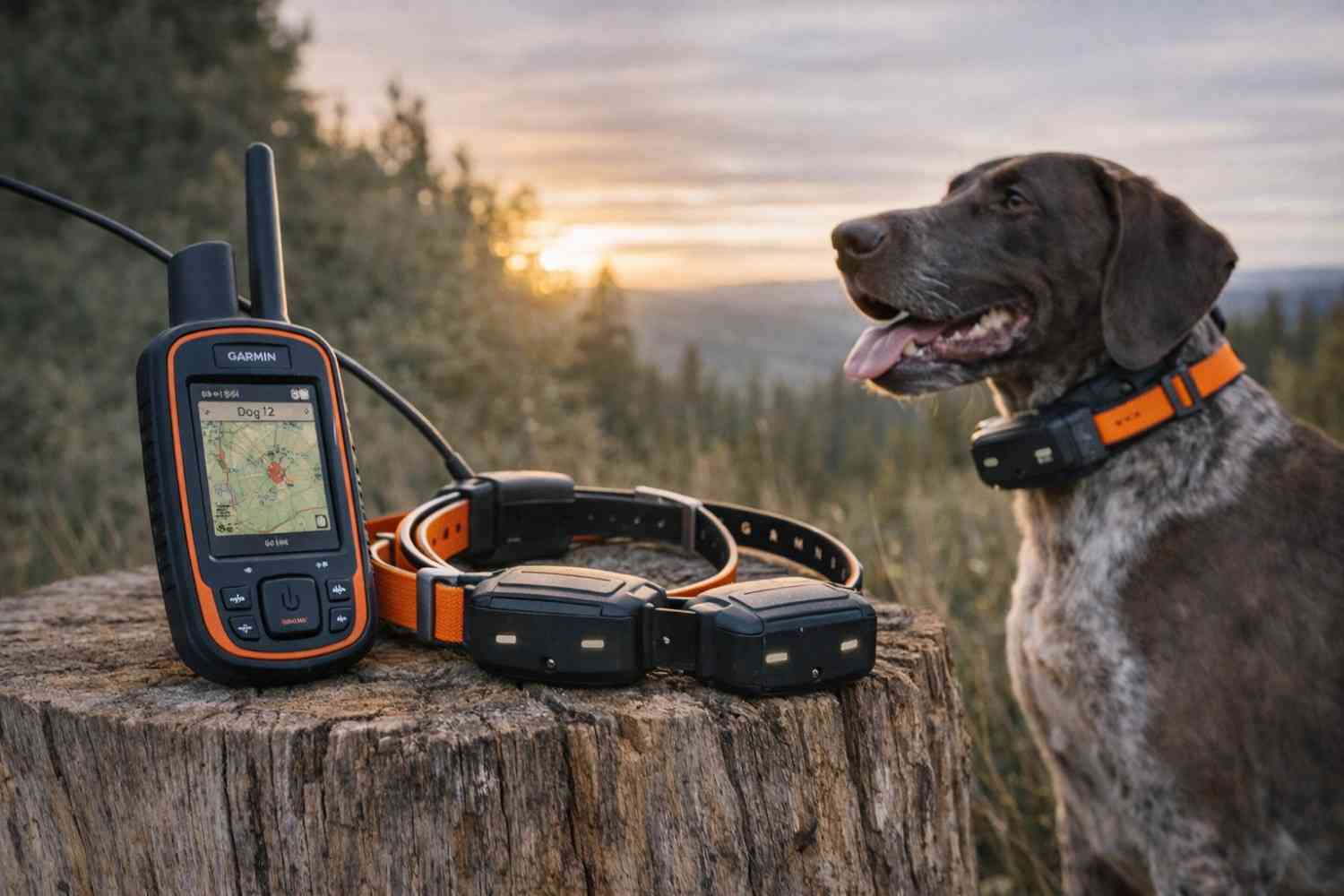
Instead of relying solely on LTE and smartphone apps, Garmin systems use dedicated handhelds that communicate directly with compatible collars.
Choosing the right Garmin Alpha dog tracker affects more than screen size. It influences collar compatibility, training features, tracking range, mapping detail, and whether options like Alpha LTE make sense for your needs.
Models such as the Garmin Alpha 300, Garmin Alpha 10, TT25, and T20 may appear similar, but they are built for very different use cases, from serious field tracking to lightweight everyday setups.
In this guide, we’ll focus on real-world buying decisions to help you choose the Garmin setup that best fits your dog and activities.
Let’s start with the most important choice.
Quick Summary: Which Garmin Setup is Right for You?
Here is the quick-reference guide to the most effective Garmin combinations for 2026 based on your specific activity.
| If You Are… | Choose This Handheld | Pair With This Collar |
|---|---|---|
| Serious Hunter | Garmin Alpha 300 | TT 25 |
| Backcountry Solo Hiker | Garmin Alpha 300i (Satellite SOS) | T 20 |
| The Minimalist | Garmin Alpha 10 (or Garmin Watch) | T 20 |
| The “No-Dead-Zone” User | Garmin Alpha 300 | TT 25 + Alpha LTE (Hybrid) |
| Suburban Pet Owner | None (Smartphone App) | Alpha LTE |
Garmin Alpha tracking collars currently include the TT25, T20, and older TT15 models, with the TT25 offering both tracking and training features while the T20 focuses on tracking only.
What’s the Difference Between Garmin TT25 and T20?
When people look at Garmin, they often focus on the handheld device because it has a screen and buttons. But in reality, the collar determines what your system can actually do.
Before you even think about maps or touchscreen size, you need to decide whether you want tracking only or tracking combined with training.
That single decision narrows everything down.
Garmin TT 25: Full Tracking and Training in One
The TT 25 is Garmin’s modern track and train collar. It gathers your dog’s location using GPS and sends it back to your handheld. At the same time, it allows you to send tone, vibration, and adjustable correction levels directly to the collar.
Key advantages of the TT 25:
- Real-time GPS tracking
- Tone, vibration, and stimulation training options
- Designed for long-range tracking
- Works with Garmin Alpha handhelds such as the Garmin Alpha 300 and Alpha 10
- Better suited for hunting and working dogs
This is where Garmin separates itself from simple tracking devices. You’re not just monitoring location; you’re also able to manage behavior from a distance when needed.
Because it includes training hardware, the TT 25 is slightly heavier and more expensive than tracking-only collars. However, for owners who need both visibility and control, the extra capability is often worth it.
If your dog works far from you, covers large areas, or requires consistent remote guidance, the TT 25 is the better choice.
Garmin T 20: Tracking Only, Simple and Lighter
Now, let’s say you don’t need remote training features. Maybe your dog is well-trained already. Maybe you just want to know where they are without adding correction functions.
That’s where the T 20 fits.
The T 20 is a tracking-only collar. It focuses purely on location. It is a bit lighter and slightly more affordable than the TT 25 while maintaining the same rugged Garmin design.
Why choose the Garmin T 20?
- GPS tracking without training functions
- Lighter than the TT 25
- Lower cost than Garmin’s track-and-train collars
- Works with Garmin Alpha handhelds like the Alpha 300 and Alpha 10
- Ideal for hikers, rural landowners, and tracking-focused users
If you don’t need to send commands to your dog from a distance, paying extra for training features may not make sense. The T 20 keeps things simple and focused.
A standout feature of both the TT 25 and T 20 is Dynamic Tracking. The collar automatically adjusts its update rate based on your dog’s activity, helping extend battery life up to 68 hours under certain conditions.
At this point, once you’ve decided between the TT 25 and T 20, you’ve completed half the decision. Next comes choosing the handheld that will shape your overall Garmin experience.
Which Garmin Alpha Dog Tracker Setup Is Best for You?
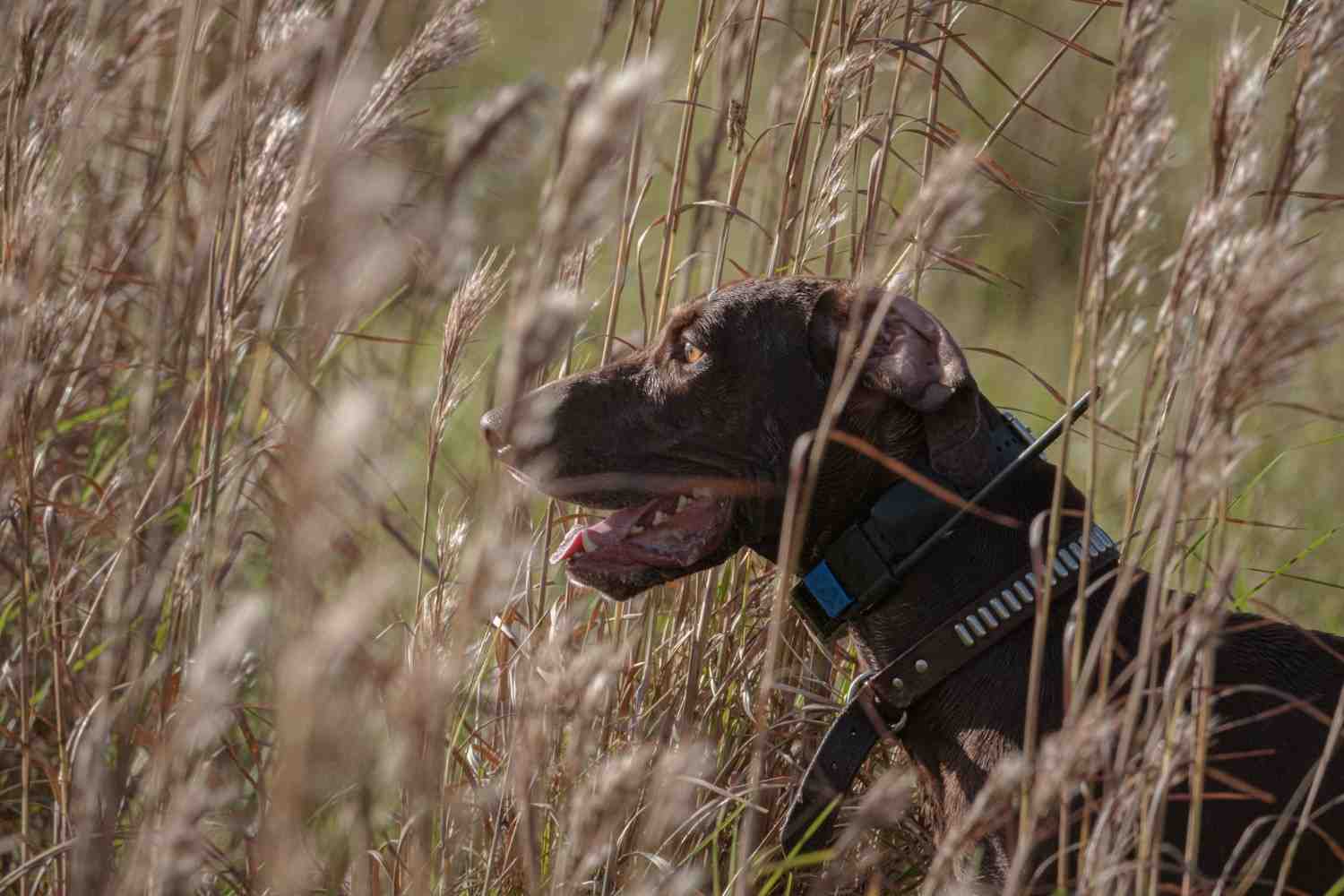
The handheld is the part you’ll interact with every day. Whether you’re using a Garmin Alpha 300, Alpha 300i, or Alpha 10, it determines how you view maps, track dogs, and manage training features in the field.
Two people can use the same collar but have completely different experiences depending on the handheld they choose.
Let’s look at the main options.
Garmin 300 vs Garmin Alpha 10: Which Garmin Dog Tracker Is Better?
| Feature | Garmin 300 | Garmin Alpha 10 |
|---|---|---|
| Display | Large touchscreen | Compact monochrome display |
| Mapping | Detailed maps and satellite imagery | Basic navigation and direction tracking |
| Portability | Larger handheld | Lightweight and pocket-friendly |
| Training Control | Yes | Yes |
| Best For | Hunters and power users | Hikers and minimalist users |
The Garmin 300 is Garmin’s flagship handheld. It offers a large touchscreen, detailed mapping, and strong battery life. The Garmin 300i version adds satellite messaging and SOS capabilities, making it a popular choice for users who spend time in remote areas.
What sets the Garmin 300 apart is its mapping capability. Instead of relying on basic directional guidance, you can view:
- Satellite imagery
- Terrain details
- Roads and trails
- Tree lines and field boundaries
This extra context can make navigation significantly easier when tracking dogs across large properties or wooded terrain.
For users upgrading from the Garmin Alpha 100 handheld, the Alpha 300 offers several improvements:
- Larger touchscreen display
- Faster and more modern interface
- Support for newer collars like the TT25 and T20
- USB-C charging
- Access to Garmin’s latest tracking features
If you hunt over large areas, manage multiple dogs, or simply want the most detailed tracking experience available, the Alpha 300 is hard to beat.
Pro Tip: If you’re upgrading from an Alpha 200 or Alpha 100, your existing Garmin TT15 and T5 collars will still work with the Alpha 300. However, newer collars such as the TT25 and T20 unlock features like Dynamic Tracking, Wi-Fi updates, and improved battery performance.
Garmin Alpha 10 — Compact and Focused
Now let’s go in the opposite direction.
The Garmin Alpha 10 is small. Very small. It doesn’t offer the same detailed maps. In fact, the screen is simple and basic. Instead of full imagery, you mainly get an arrow and a distance reading.
That sounds limited, but for some users, it’s exactly what they want.
If you’re hiking and just need to know direction and distance, a large touchscreen can feel unnecessary.
The Alpha 10 keeps things lightweight. It can even pair with your smartphone for mapping if needed.
This makes it appealing for minimalist users who care more about portability than visual detail. If you’re tracking one dog and you don’t need satellite images, the Garmin Alpha 10 can feel refreshingly simple.
And there’s another important piece here.
Garmin Watch Compatibility: A Unique Advantage
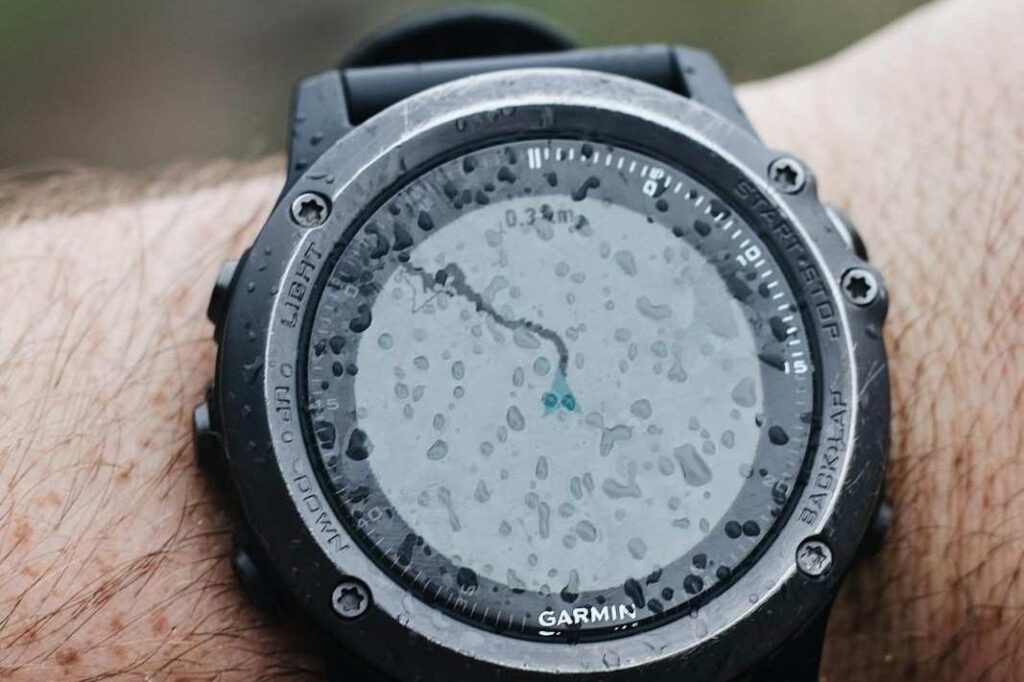
One reason many people choose the Alpha 10 is watch compatibility.
Garmin allows you to send your dog’s tracking data from compatible Garmin Alpha GPS systems to watches like the Fenix or Instinct series.
That means you can glance at your wrist and see your dog’s direction and distance without pulling out your handheld.
For hikers who prefer to keep their hands free, this feature can be a game-changer. It keeps tracking integrated into your movement instead of feeling like a separate gear you constantly manage.
This ecosystem advantage is something app-based trackers don’t offer in the same way. If you already use a Garmin watch, this can tip the scales in favor of a radio system.
Garmin Pro 550 Plus: Built for Training First
The Pro 550 Plus takes a different approach from Garmin Alpha dog tracker systems. It doesn’t focus on touchscreen maps. Instead, it’s built for training. It uses physical buttons and a dial system that allows you to adjust correction levels quickly without looking at a screen.
This design is popular among professional trainers who rely on muscle memory. Instead of navigating menus, you turn a dial and press a button. It’s simple, direct, and built for quick reactions with compatible Garmin tracking collars.
If your priority is training performance rather than visual mapping, this model deserves consideration.
Most Popular Real-World Setups
Now that you understand collars and handhelds separately, let’s look at how people actually combine them.
Many serious hunters choose the Garmin 300 paired with the TT 25. This gives them full mapping, satellite imagery, and complete training control.
Minimalist users often pair the Garmin Alpha 10 with the T 20. It keeps the system light while maintaining reliable tracking.
Professional trainers may prefer the Pro 550 Plus combined with the TT 25 for quick training adjustments.
Suburban users who don’t want a handheld at all often choose the Alpha LTE, which works through a smartphone.
But in 2026, there’s another combination that deserves special attention.
The Hybrid Connection: Radio + LTE Together
Garmin’s big move recently has been blending radio tracking with LTE as a backup.
When you pair Garmin GPS dog tracker like the Alpha 300 with an Alpha LTE collar, the LTE signal can act as a safety net. If your radio signal drops due to terrain, mountains, or obstacles, the LTE connection can take over and continue sending location data to your handheld.
The key point is that it appears on the same screen. You don’t switch devices. It simply adds another layer of security.
For serious backcountry users, this hybrid setup provides peace of mind. It combines independence from cell towers with cellular redundancy when needed.
If you regularly operate in areas with unpredictable terrain, this setup may offer the best balance between reliability and backup coverage.
Does Garmin Work Without Cell Service?
Not everyone needs a handheld. For many suburban dog owners, the Alpha LTE may be enough.
It connects through a smartphone app and uses cellular coverage. It feels more like modern pet trackers, but with Garmin’s build quality.
If your dog spends most of their time in neighborhoods or parks with strong cell coverage, this simpler setup may be more comfortable. You don’t carry extra devices. You just check your phone.
But if you frequently lose cell service, the LTE model won’t solve that. That’s where a Garmin Alpha dog tracker system has a clear advantage, since it can continue tracking without relying entirely on cellular coverage.
For readers comparing Garmin’s LTE model with dedicated smartphone-based trackers, see our detailed reviews of the Fi Smart Dog Collar and the Tractive GPS Dog Tracker.
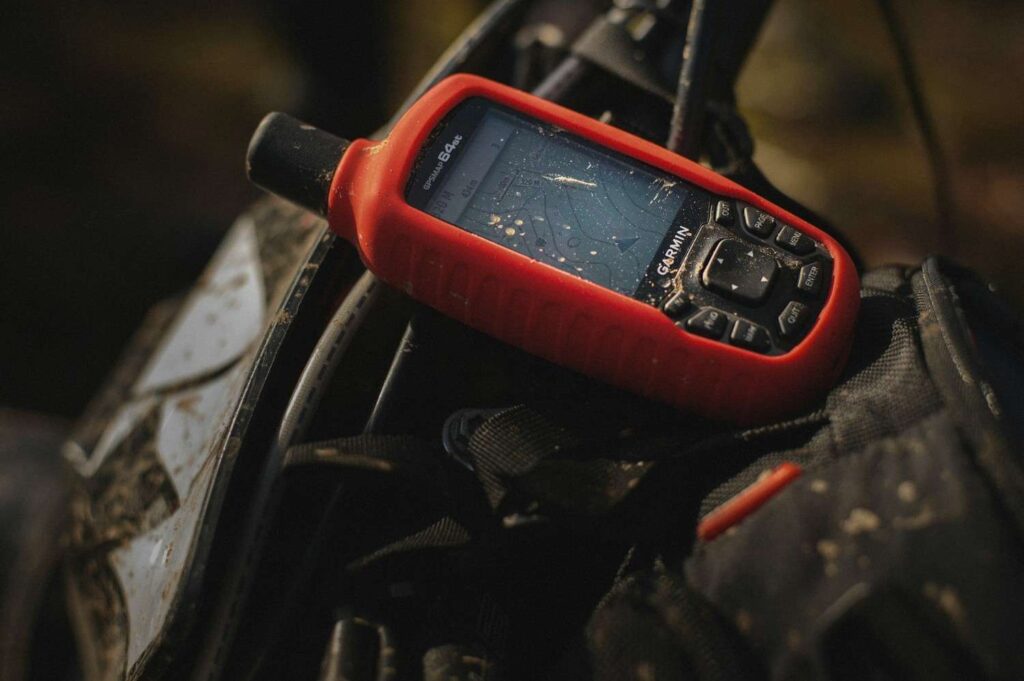
How These Garmin Setups Perform in the Real World
Reading specs is one thing. Using the system outside with your dog is another. The right setup depends heavily on where your dog actually runs.
Scenario 1: Long-Range Hunting in Open Land
You’re in wide farmland at sunrise. Your dog is working far ahead, sometimes hundreds of yards out of sight. In this environment, range and control matter more than convenience.
A Garmin Alpha 300 paired with a TT 25 fits naturally here because it provides:
- Detailed mapping and satellite imagery
- Full tracking and training control
- Better awareness of terrain and obstacles
- Reliable tracking without cell service
If you’re using satellite imagery, you can see field edges, tree lines, and roads before your dog reaches them.
When your dog stops on point, the handheld reflects it instantly. If they begin drifting toward an unwanted direction, you can respond immediately. In open land, this setup feels steady and purpose-built.
Scenario 2: Backcountry Hiking in Unpredictable Terrain
Now picture hiking through mountains or dense woods where cell service fades in and out. Your dog explores ahead, occasionally disappearing behind ridges or bends in the trail.
In this case, a Garmin 300i paired with a T 20 or TT 25 provides:
- GPS tracking in remote areas
- Detailed mapping for changing terrain
- Emergency satellite messaging through the 300i
- Added peace of mind when far from help
If you add Alpha LTE as a backup layer, you create a hybrid system. If the radio signal weakens due to terrain, LTE can take over where coverage exists.
For remote hikers, that extra layer can make a meaningful difference without changing how the system feels to use.
Common Buying Mistakes to Avoid
When investing in a Garmin Alpha dog tracker, compatibility matters more than many buyers realize.
Mistake #1: Mixing old and new hardware
Older collars like the T5 and Garmin TT15 use older hardware and lack features such as:
- Wi-Fi updates
- USB-C charging
- Dynamic Tracking battery optimization
If you pair a new Garmin Alpha 300 with an older collar, you won’t get the full benefit of Garmin’s latest features.
Mistake #2: Assuming all Garmin systems work the same way
- Radio-based systems require a handheld device.
- Alpha LTE relies on cellular coverage and a subscription.
- Different setups are designed for different use cases.
For the best experience, match newer handhelds with newer collars like the TT25 or T20, and make sure the system fits how and where you track your dog.
Final Recommendations by Scenario
If you want the most complete Garmin Alpha dog tracker setup available today, the Garmin 300 paired with the TT25 is hard to beat. It combines mapping, training, and long-range tracking in one package.
For a lighter and simpler setup, the Garmin Alpha 10 paired with the T20 delivers reliable tracking without unnecessary complexity. If you’re frequently in remote areas, adding Alpha LTE as a backup layer can provide extra peace of mind.
Budget-conscious buyers should also consider the Alpha 200i paired with a T20 or TT25, which still offers serious capability at a lower cost.
Ultimately, the right Garmin setup depends on where your dog travels, how much control you need, and whether tracking, training, or portability is your top priority.
Frequently Asked Questions
What is the best Garmin Alpha dog tracker for hunting?
The Garmin 300 paired with the TT25 is one of the best Garmin Alpha dog tracker setups for hunters who need tracking, mapping, and training features.
What is the difference between Garmin 300 and Garmin Alpha 10?
The Garmin 300 offers advanced mapping and a touchscreen, while the Garmin Alpha 10 focuses on lightweight tracking and simplicity.
Which Garmin Alpha tracking collars are compatible with the Alpha 300?
The Alpha 300 works with Garmin Alpha tracking collars such as the TT25, T20, and older TT15 models.
The Smart Pet Gears Team (Team SPG) is a group of pet care researchers, product analysts, and writers dedicated to helping dog owners make informed decisions about smart collars, GPS trackers, and pet technology.
Our articles are based on manufacturer documentation, veterinary guidelines, testing insights, and independent analysis to ensure accuracy and transparency.