Buying a dog GPS tracker sounds simple until you actually start shopping.
One model promises “unlimited range.” Another claims a week-long battery life. Some work through cellular networks, others don’t. Prices swing wildly. Reviews contradict each other. And suddenly, a five-minute purchase turns into hours of research.
I went through that exact process with my own escape-artist pup and learned quickly that flashy features don’t matter if the basics fail.
If you’re wondering how to choose a dog GPS tracker, this guide is for you.
Below are seven practical things I wish I had known before I spent my money. They’ll help you compare models clearly, avoid common traps, and pick something that fits your dog, your environment, and your budget.
How to Choose the Right Dog GPS Tracker
Choosing the right dog GPS tracker comes down to a few core factors: battery life, coverage, comfort, subscription costs, and alert reliability. Most people get distracted by feature lists, but in real-world use, these fundamentals are what actually determine whether a tracker helps or fails when you need it most.
The sections below break down each of these factors in practical terms, so you can make a confident decision based on how you and your dog actually live, not just what the box promises.
1. Battery Life: A Key Factor When Choosing a Dog GPS Tracker
Let’s kick things off with the basics. Every dog GPS tracker boasts about its battery life, but trust me. Those claims often fall short in the real world.
I remember my first tracker vividly; it promised a full week on one charge, yet reality hit hard on day three when my dog’s big outing led to a dead battery right at the worst possible moment.
Why does this happen so often?
Trackers work tirelessly behind the scenes. They ping satellites, send signals, and wake up every few minutes to check in, which drains power faster than you’d expect, especially if your pup roams far or you live in an area with spotty coverage.
Why Real-World Testing Beats Box Specs Every Time
So, what should you do when you’re going to buy a dog GPS tracker?
Hunt for models that deliver at least five days of life under normal use, but always dig deeper into user reviews for honest run times rather than relying solely on the packaging specs.
Look for models that deliver at least five days of battery life under normal use. More importantly, dig into user reviews for honest runtimes instead of relying solely on the box.
Choose trackers with smart low-power modes that let you adjust how often locations update. If your dog sticks close to home most days, lowering the update frequency can save precious battery for longer hikes or off-leash adventures.
Also, factor in your own habits. I now plug mine in every night. It takes about five minutes and saves a lot of stress.
Battery problems tie directly into ongoing costs, too. Replacing a dead tracker during a frantic search isn’t just frustrating, it’s expensive. Many owners, like those chatting in dog forums, don’t realize how these devices fit into daily routines until it’s too late.
2. The Sneaky Side of Subscriptions: What They Really Cost You
Subscriptions are the sneaky side of tech that we all love to hate, but they can turn a promising purchase into a recurring headache if you’re not careful.
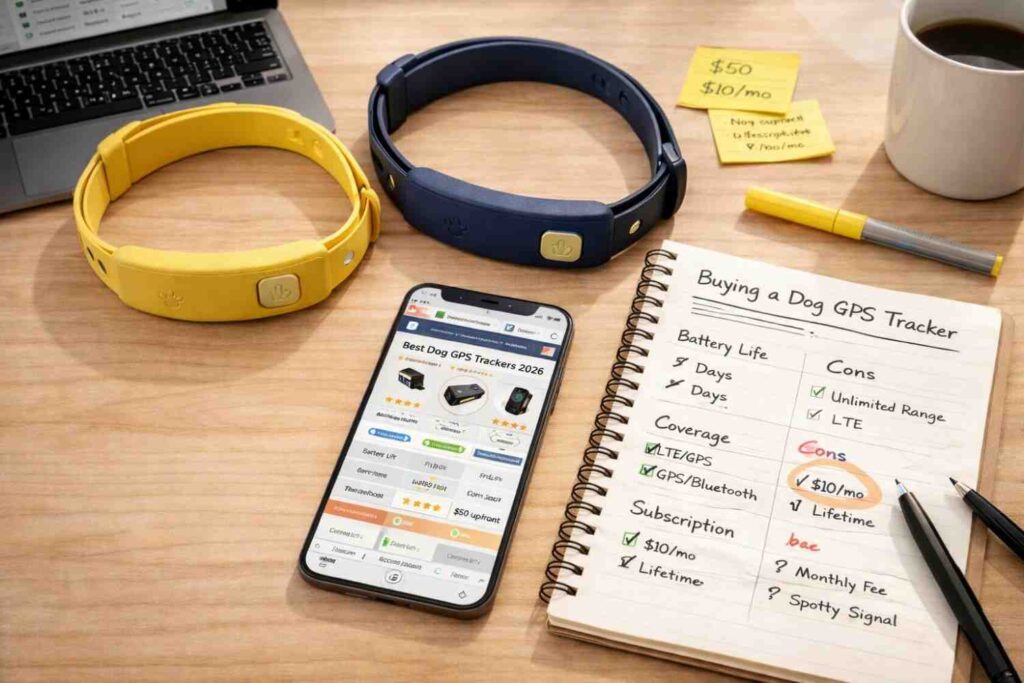
When I bought my initial tracker, I zeroed in on the upfront price, thinking it was a steal at just fifty bucks, only to have the app hit me with a monthly fee to activate the full GPS features. Surprise!
That “one-time” buy quickly turned into a yearly bill I hadn’t planned for.
Many brands require these subscriptions to cover things like server costs, data transmission, and access to detailed maps, and without them, your fancy new tracker may be little more than a decorative collar tag.
Weighing Lifetime Options Against Monthly Hits
First off, always read the fine print before finalizing your choice. Some trackers offer lifetime no-fee options that cost more upfront but save you in the long run, so weigh that against paying around ten bucks a month indefinitely.
If you only need occasional tracking, a subscription might not sting as much, but if your dog’s more of a homebody, why shell out for premium features you’ll rarely tap?
I eventually switched to a hybrid model—free basic alerts for home use, with paid upgrades only when we head out for weekend hikes.
Getting Real Value from Your Subscription
Beyond cost, ask yourself what value the subscription actually provides. Does it include activity tracking? Theft alerts? Fast notifications?
One owner I spoke with regretted choosing a tracker whose subscription covered GPS but skipped instant alerts. When her dog was taken from the yard, the location updated—but the delay cost her hours.
Stories like these, echoed in threads where hikers vent about rural signal drops, remind us to prioritize reliable alerts over flashy add-ons.
Now, let’s shift gears a bit to something even more personal: fit and comfort, because even the best battery, longest-lasting tracker will flop if it bothers your dog enough to make him paw it off.
3. Size and Comfort: Why They Beat Fancy Features Hands Down
Your dog isn’t a robot. He has soft fur, sensitive skin, and a personality that demands comfort.
One owner shared how his lab mix ripped off a bul36ky tracker after one walk. It looked sleek online, but bounced around on his neck like a loose saddle. Lesson learned: always match the size to your breed when you’re shopping around.
Finding the Perfect Fit when Buying a Dog GPS Tracker
Many owners don’t realize that buying a dog GPS tracker is as much about comfort as it is about tracking accuracy. Small dogs need lightweight trackers, under two ounces, to avoid strain. Larger breeds can handle heavier designs, but fit still matters.
Irrespective of the size, test the fit right away by aiming for something snug yet not tight, where you can easily slip two fingers under the strap.
Materials make a huge difference, too; opt for soft nylon straps over rigid plastic ones, and steer clear of anything with sharp edges that could irritate during play.
My go-to now features a flexible silicone cover that molds right to his existing collar without pinching, turning what could be a nuisance into something he barely notices.
These factors highlight why dog owners need to understand how to choose the right smart collar based on their dog’s age.
Matching Security to Your Dog’s Energy
Owners often wish they’d paid more attention to activity levels from the start. A hyper pup like mine needs a secure locking mechanism rather than a basic buckle to prevent Houdini-style escapes.
I learned that the hard way when his old tracker slipped off during a playdate and disappeared into the neighbor’s bushes, leaving me red-faced but wiser.
Plus, consider your dog’s unique habits: does he love swimming in creeks or rolling in mud during backyard romps? Go for rugged builds designed to withstand those antics without giving up.
Speaking of toughness, durability naturally leads us to the next essential, because a tracker that survives a splashy puddle party or a tumble down a hill doesn’t just save your sanity; it can prevent costly vet visits down the line.
So let’s dive into what truly makes one tough enough for the unpredictable chaos of real dog life.
4. Durability and Waterproofing: Essential Gear for Everyday Adventures
Dogs don’t tiptoe gracefully through life; they splash into puddles, dig up gardens, and chase with that reckless abandon that makes them so endearing yet exhausting.
My first tracker met its watery demise in a shallow creek during what was supposed to be a fun fetch session. I had assumed “water-resistant” meant it could handle anything, but nope, it fizzled out after just ten minutes of excitement, leaving me scrambling without a signal.
Ratings That Actually Hold Up in the Field
One must only invest in IP67-rated models, which means they’re fully submersible for up to thirty minutes, ideal for bath times, rainy-day walks, or those impromptu swims on hot afternoons.
Waterproofing is only the starting point; check for drop-proof constructions too, since these gadgets take plenty of tumbles from excited leaps and bounds. Rubberized edges and shock-absorbent cores go a long way here.
Handling Weather Extremes
Don’t forget about environmental extremes like scorching heat or biting cold, especially if you live in a place with wild weather swings.
Always scout reviews from users in similar climates to gauge performance. Mine holds steady through Arizona’s brutal summers without melting down, but it needed a bit of added insulation for those Midwest freezes before it felt reliable.
This focus on ruggedness brings us squarely to coverage, because a super-durable tracker shines brightly in your backyard but can leave you in the dark if it loses signal on a wooded trail.
5. Coverage and Range: What to Look for in a Dog GPS Tracker
GPS technology sounds foolproof at first glance, satellites track from anywhere on the planet, right? But in practice, tall buildings in the city, dense woods on a hike, or even the concrete canyons of urban life can block those signals just when you need them most.
I once watched my dog’s location dot vanish completely in a local park, only to learn later that the tracker had defaulted to Bluetooth mode, which tops out at about thirty feet, utterly useless for a true runaway scenario. So one should first know the limitations of both GPS and Bluetooth trackers.
Blending Tech for Better Reliability in Tough Spots
To avoid these pitfalls, get familiar with the underlying tech: pure GPS demands a clear view of the sky, Bluetooth steps in for close-range gaps, and the best hybrids layer on cellular backup for those tricky zones.
My upgraded model uses all three seamlessly, even texting me the exact location when GPS hiccupped during a hilly outing, which turned what could have been panic into a quick retrieval.
As for range claims, take them with a grain of salt; “unlimited” often assumes perfect line-of-sight conditions, but in the real world, expect occasional glitches in places like basements, garages, or remote trails.
Testing in Your World
The smartest move? Test it out in your everyday zones first—take a few walks along your usual routes and monitor if the app holds steady without dropping out.
Now that we’ve nailed down the hardware essentials, it’s time to turn our attention to the software side of things, because a tracker is only as helpful as its accompanying app makes it.
6. App Features and Ease of Use: Your Key to a Seamless Experience
Technology should serve you without adding extra stress to your day, yet my first app was a nightmare, with buried menus, laggy maps, and confusing alerts during a stressful moment.
These days, I make it a point to prioritize setups that feel effortless, like scanning a simple QR code to pair the device in mere seconds, followed by an intuitive dashboard that lets you zoom in on locations with ease and set up customizable alerts tailored to your routine.
Features That Actually Matter
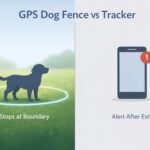
Geofencing stands out as a game-changer. It lets you draw virtual boundaries around your yard or favorite park, so your phone buzzes the second your dog steps out.
Battery reminders are non-negotiable. Mine pings me reliably at 20% capacity, prompting a quick charge before any trouble brews.
Family sharing takes the convenience up a notch. Do add your spouse or a trusted neighbor’s number, and they receive those pings alongside you.
Integration with smartwatches seals the deal for on-the-go users like me; seeing his exact spot pop up on my Apple Watch mid-run means I never have to pause and pull out my phone.
Activity tracking is optional unless health data matters to you.
7. Customer Support and Warranty: The Unsung Heroes When Things Go Wrong
Even the best purchase can glitch, and that’s when strong customer support and a solid warranty become lifesavers, keeping frustration at bay during a crisis. Many owners regret overlooking this, left scrambling without help.
Why Responsive Help and Strong Coverage Pay Off Big Time
When shopping, dig beyond the price: check response times (under an hour is ideal for chat/email) and 24/7 access for off-hours escapes. Forums glow about pet-savvy teams offering tailored advice, like fixing a speedy beagle’s alerts versus a chill bulldog’s setup.
For warranties, seek two-year coverage including defects, water damage, and chew mishaps, as mine swapped a shredded strap for free, dodging extra costs.
Speaking of alerts, online chats often flag false alarm woes from oversensitive settings that spam your phone; adjust thresholds to your dog’s habits for useful nudges, and let support walk you through it at setup.
Add 30-day returns and resources like tutorials or user groups, and you’ve built a true safety net. Ultimately, caring backing means fewer DIY fixes and more tail-wagging fun.
Wrapping It Up: Your Tracker Toolkit for Worry-Free Wags
There you have it, seven hard-won nuggets straight from the front lines of dog ownership, enriched with insights from fellow adventurers who’ve tested these gadgets in the wild.
From batteries that actually last the distance to apps that don’t frustrate at every turn, these pointers transform a simple gadget into a steadfast guardian for your best friend.
If you’re ready to shop, start by jotting down your must-haves: your budget, your dog’s habits, and the terrains you’ll tackle together. Test a couple if you can. Borrow from a friend or snag a trial, and you’ll land on the one that feels just right.
So go ahead, equip your pup with confidence. Here’s to countless more tail wags and far fewer heart-stopping moments.
What’s the wildest escape story your dog has pulled off? Share it in the comments—I’d love to hear it.
Frequently Asked Questions
What should I look for when choosing a dog GPS tracker?
When buying a dog GPS tracker, focus first on battery life, comfort, coverage, and alert reliability rather than flashy features.
How often should I charge the tracker?
Nightly charging or every few days in saver mode prevents most issues, especially on subscription-heavy plans.
Is a more expensive dog GPS tracker always better?
Not necessarily. Some budget trackers perform well for basic tracking, while expensive models may include features you don’t need.
What mistakes do people make when buying a dog GPS tracker?
Most owners focus on advertised features such as “long battery life” or “unlimited range” without checking real-world performance. Common mistakes include ignoring subscription costs, choosing the wrong size, and failing to test coverage in their area.
The Smart Pet Gears Team (Team SPG) is a group of pet care researchers, product analysts, and writers dedicated to helping dog owners make informed decisions about smart collars, GPS trackers, and pet technology.
Our articles are based on manufacturer documentation, veterinary guidelines, testing insights, and independent analysis to ensure accuracy and transparency.