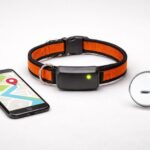
When people compare Fi models, most guides stop at size charts and marketing blurbs. Series 3+ is framed as the “big-dog flagship,” while the Mini is pitched as a lightweight option for small pets.
However, that simple framing misses what actually matters once the collar is on your dog’s neck and your phone is buzzing at 2 a.m.
In practice, the real decision behind Fi Series 3+ vs Fi Mini comes down to where you live, which cellular network works in your neighborhood, how often you travel, how rough your terrain is, and how quickly you expect alerts when a dog bolts through the gate.
Those are the details that make owners happy—or deeply frustrated—after the first month of use.
This guide focuses on those real-world factors. You’ll see battery math instead of vague claims, coverage explanations instead of “nationwide” slogans, and honest discussion of subscription costs and upgrade traps.
By the end, you should know not only which model fits your dog, but which one actually fits your life.
Fi Series 3+ vs Fi Mini: Which Should You Buy Right Now?
Before diving deep, here is the blunt decision snapshot many shoppers look for:
| Factor | Fi Series 3+ | Fi Mini | What It Means for You |
|---|---|---|---|
| Target pets | Medium–large dogs | Small dogs & cats | Marketing angle, not the real limiter |
| Cellular network | AT&T | Verizon | Coverage can outweigh dog size |
| Battery at home | Frequent travelers lean towards Mini | Shorter overall | Home-based owners lean 3+ |
| Battery while traveling | Drops faster | More stable | Frequent travelers lean towards Mini |
| Mounting style | Integrated steel collar | Silicone sleeve | Brush-running dogs Favor 3+ |
| Health features | Barking, licking, scratching, Apple Watch alerts | Steps & sleep | Allergy-prone dogs may justify 3+ |
| Charging | Proprietary base | USB-C | Mini is easier on road trips |
| Typical verdict | Best all-around flagship | Niche but powerful traveller option | Depends on lifestyle, not hype |
If you forget the Series 3+ base while traveling, you are effectively stuck until a replacement arrives. If you lose the Mini cable, you can buy a new one at almost any gas station.
Verizon vs AT&T — The Single Most Important Factor in Fi Reliability
When people complain that a Fi collar has “no signal,” the problem is rarely GPS—it is cellular transmission. The Series 3+ connects through AT&T, while the Mini runs on Verizon.
If one carrier is weak in your town, on your hiking trails, or even in your backyard, the collar will struggle regardless of price or features.
Before buying, check coverage maps for both carriers and test phones from friends or neighbors in the same locations your dog usually roams. In many cases, the stronger carrier matters more than whether your dog technically qualifies as “small” or “large.”
Note:
If AT&T is weak where you live but Verizon is strong, choose the Mini—even for a medium dog. Reverse that logic if Verizon struggles locally.
The Current Fi Lineup in 30 Seconds
Fi’s modern ecosystem really revolves around two products.
Series 3+ as the flagship
Series 3+ is the collar Fi pushes hardest. It integrates the tracker directly into a stainless-steel band, adds AI-driven behavior metrics, supports Apple Watch alerts, and uses AT&T’s LTE-M network.
It is also the model for which many existing customers were asked to pay an upgrade fee, which has sparked plenty of debate on owner forums.
Mini as the traveler-friendly alternative
The Mini, by contrast, is a small puck-style tracker that slips into a silicone sleeve attached to almost any collar. It charges over USB-C, runs on Verizon’s LTE-M network, and is light enough for cats or toy-breed dogs.
While it lacks advanced health metrics, it appeals strongly to owners who travel frequently or live in areas where Verizon coverage is better.
In late 2025 and early 2026, Fi quietly began rolling out “Mini+” functionality via software updates. These updates aim to bring AI-powered barking and eating detection—previously exclusive to the Series 3+—to the Mini as well.
Not every Mini user has access yet, and rollout depends on firmware and subscription tier, but this change narrows the long-term feature gap between the two models.
Where Series 3 still fits
Older Series 3 collars still appear on resale markets or remain in service with long-time subscribers. In 2026, they mostly matter as a reference point for the upgrade debate rather than as a primary buying option for new users.

Who Each Model Is Actually For
Although Fi markets by pet size, most real buyers self-select based on environment.
Series 3+ tends to make sense for suburban homeowners with yards, dogs that routinely test fences, and people who value extra health telemetry.
The Mini attracts apartment dwellers, RV travelers, hikers who want USB-C charging flexibility, and anyone who knows Verizon dominates local coverage.
Meanwhile, Fi in general may disappoint people who spend long stretches truly off-grid in dense forests or mountains, because cellular transmission—not GPS satellites—is the limiting factor for getting locations to your phone.
Fi Alert Speed Test — How Fast Do Escape Notifications Really Arrive?
One of the most searched questions around Fi accuracy and safety is how quickly the app reacts when a dog leaves a safe zone.
Both models rely on Bluetooth and Wi-Fi when the dog is home, then switch to LTE-M once those connections drop. That handoff is where delays can happen. In good conditions, the phone may buzz in under a minute.
In marginal areas, especially where Wi-Fi is spotty at property edges, there can be a noticeable gap before the first alert arrives.
That gap matters. A fast-moving Husky can cover several blocks in two minutes, which is why experienced users recommend testing the system deliberately.
Pro-Tip: Reduce Alert Delays at Home
Open the Fi app’s System Diagnostics screen and walk your dog slowly past the boundary of your Wi-Fi and Bluetooth range. Watch where the collar switches to LTE.
If alerts lag consistently at one corner of your yard, repositioning the base station or upgrading your router coverage can cut notification time dramatically.
Series 3+ and Mini behave similarly here because the logic is shared across the platform. Differences usually stem from network strength rather than hardware.
Fi Coverage Map Explained — Where Series 3+ and Mini Actually Work
Fi marketing emphasizes “nationwide coverage,” yet many buyers later realize that phrase hides an important technical distinction.
GPS satellites determine where the collar is. Cellular towers determine whether that information reaches your phone.
If LTE-M service is weak, the collar may still know its coordinates but struggle to transmit them. That is why suburban neighborhoods often perform better than deep valleys or heavily wooded trails.
If you’re comparing Fi to non-cellular trackers like Apple’s AirTag, the difference in how location data is transmitted becomes critical. Our Fi vs AirTag comparison explains this architectural gap in detail.
Suburbs vs backcountry
In most populated areas, both models work well enough to track escapes and daily walks. In remote forests or mountainous terrain, however, coverage gaps become common.
Hikers sometimes compare Fi to VHF radio trackers made by Garmin, which can broadcast locations without cell towers. Those systems are bulkier and less lifestyle-friendly, but they highlight Fi’s core limitation.
Network differences that matter
The Series 3+ uses AT&T’s LTE-M network, while the Mini relies on Verizon. In many towns, one carrier clearly outperforms the other, which means a Labrador owner could rationally choose the Mini if Verizon dominates locally, while a toy-breed owner might choose the 3+ if AT&T is stronger.
This is why “Fi coverage map” searches are so common. Checking carrier maps for hiking trails, rural roads, or even your backyard can matter more than your dog’s weight.
Fi Tracker Battery Life — Real-World Tests for Series 3+ vs Mini
Battery life is the most emotionally charged topic in Fi discussions because marketing numbers rarely match panic-mode reality.
At home, Series 3+ often lasts the longest because it communicates primarily with its base station instead of cellular towers. The Mini usually drains faster in the same scenario.
On the road, though, the equation flips. Without a base nearby, the Series 3+ hunts constantly for LTE and can burn through its charge more quickly, while the Mini’s design and USB-C charging make it easier to top up from power banks.
Typical usage patterns
| Scenario | Series 3+ | Mini | Why |
|---|---|---|---|
| Mostly at home | ~6–8 weeks | ~3–5 weeks | Base station conserves power |
| Daily walks | ~3–5 weeks | ~2–4 weeks | Frequent LTE handoffs |
| Travel without base | ~2–3 weeks | ~2–4 weeks | 3+ searches for network |
| Lost Dog Mode active | 24–48 hours | 3+ searches for the network | Rapid GPS + LTE pings |
Lost Dog Mode deserves special emphasis. Once activated, both collars update location every few seconds. That intensity is lifesaving but brutal on batteries.
Owners effectively have a two-day window before the collar may die, which adds urgency rarely mentioned in marketing copy.
Runner’s Advantage:
Series 3+ owners can trigger Lost Dog Mode directly from an Apple Watch. For runners who leave phones behind, this alone can justify choosing the flagship.
What Fi Really Costs Over Three Years
| Item | Series 3+ | Mini |
|---|---|---|
| Typical hardware kit | ~$150–200 | ~$130–170 |
| 3-year service estimate | ~$350 | ~$310 |
| Approximate total | ~$550 | ~$480 |
Note:
These numbers fluctuate with promotions and membership plans. Always verify current pricing on Fi’s membership page before committing.
Fi subscription cost over time
Battery conversations inevitably lead to money, because both models require an ongoing plan. Hardware prices vary with promotions, but subscriptions typically dominate long-term ownership.
Over three years, many owners spend more on service than on the collar itself. That reality is crucial for “Is Fi worth it?” searches, especially when comparing trackers to GPS fence systems from companies like Halo or SpotOn, which often have higher upfront costs but different fee structures.
For a full breakdown of how Fi compares to other subscription-based trackers, read our Fi vs Tractive guide.
Design, Durability, and Daily Handling
Hardware design is where the two models feel most different in hand.
Build Architecture
The Series 3+ integrates the tracker directly into a stainless-steel collar, making it difficult to lose and highly resistant to pulling, brushing, and rough play. The trade-off is ecosystem lock-in — you must use Fi’s collar.
The Mini uses a puck-style tracker that slips into a silicone sleeve on nearly any collar. This adds flexibility but introduces a small snag risk in dense terrain, and in rare cases, the tracker can detach if the collar comes off.
Charging & Base Coverage
The Series 3+ relies on its proprietary base station for optimal battery life and includes one in the kit. Strong base coverage reduces LTE usage and preserves charge, but larger homes may require a second base.
The Mini charges via USB-C and does not include a base unless added separately. It’s simpler for travel but typically drains faster at home compared to a well-positioned Series 3+ setup
The Series 3 → 3+ Upgrade Trap
Many long-time Fi customers bristled at the roughly $99 upgrade fee when Series 3+ launched. The frustration centered on whether the new AI features justified the cost.
In practice, barking, licking, and scratching detection can surface useful trends for dogs with allergies or skin issues, yet false positives remain common. A vigorous ear scratch or a cone after surgery can trigger alerts that send owners into unnecessary spirals.
Apple Watch notifications, on the other hand, are widely praised by runners who want Lost Dog Mode pings without digging for a phone.
Savvy buyers often compare the upgrade fee against seasonal bundles or warehouse promotions for new members, which can undercut the cost of simply converting an old collar.
Used-Buyer Warning:
If you find a cheap Series 3 on resale sites, proceed carefully. Fi’s “Plus” membership is tied to specific hardware. In some cases, buying a discounted used collar and upgrading ends up costing more than getting a Series 3+ kit bundled with a long-term plan.
Sleep and Health Metrics — Are They Actionable?
Both models track sleep and activity, but Series 3+ layers AI interpretation on top. When used thoughtfully, those metrics can highlight sudden changes that prompt a vet visit, such as restless nights associated with urinary infections or joint pain.
However, the most experienced owners treat the graphs as trend indicators rather than diagnoses. A week-long shift matters more than a single noisy night. That nuance separates satisfied users from those who abandon notifications altogether.
Fi vs GPS Fence Systems — Tracker or Containment Collar?
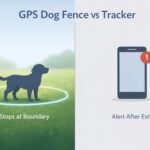
Fi collars excel at telling you where a roaming dog is, not at preventing escapes. That distinction is why many households pair a tracker with a containment system rather than replacing one with the other.
GPS fences from Halo or SpotOn can create virtual boundaries and apply training cues before a dog leaves the yard, while Fi becomes the recovery tool if everything else fails.
Who Should Skip Both Fi Models
If you live in a total cellular dead zone—deep mountains, remote forests, or backcountry ranch land—neither Fi model is ideal. In those environments, radio-based systems like the Garmin Alpha line outperform cellular trackers because they do not rely on LTE towers.
Is Fi Worth It in 2026? Final Verdict by Owner Type
So, where does all of this land?
Series 3+ remains the best all-around choice for suburban households with medium- to large-sized dogs, especially when AT&T coverage is strong, and Apple Watch alerts add peace of mind. It suits owners who spend most nights near the base station and want a rugged, impossible-to-lose collar.
The Mini, meanwhile, is the smarter pick for travelers, apartment dwellers, and anyone living in Verizon-dominant areas. USB-C charging and collar flexibility make it easier to live with, even though advanced health analytics are limited.
Fi is not ideal for people who regularly venture far beyond cellular networks. In those situations, wilderness-grade trackers remain the safer bet.
The Non-Marketing Summary:
Buy the Series 3+ if you want a permanent fixture for a suburban dog and rely on Apple Watch alerts. Buy the Mini if you travel in an RV, live in a Verizon-only zone, or have a dog under 15 pounds. Ignore the “three-month battery” claim for both; expect to charge about once a month, and you’ll be much happier with your purchase.
The Smart Pet Gears Team (Team SPG) is a group of pet care researchers, product analysts, and writers dedicated to helping dog owners make informed decisions about smart collars, GPS trackers, and pet technology.
Our articles are based on manufacturer documentation, veterinary guidelines, testing insights, and independent analysis to ensure accuracy and transparency.