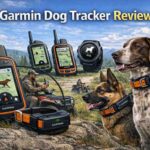
Virtual fence training with GPS dog collars promises something appealing: the freedom of an open yard without the risks of an open gate.
These systems create invisible boundaries using satellite positioning and corrective alerts. But attaching a collar is not the same as teaching a boundary.
GPS dog fence training is still training — not automation.
This guide examines what makes virtual fence systems work, where they commonly fail, and how to use them in a way that supports real learning rather than replacing it.
Why Virtual Fence Training Feels Simple
Imagine you unbox your new GPS collar, set up the app on your phone, and draw those virtual lines around your property.
It feels like magic – no digging trenches for wires, no ugly fences blocking your view. Many owners jump in thinking it’s a quick fix for keeping their dogs safe.
They expect the alerts to do all the heavy lifting, teaching boundaries without much effort on their part.
Owners Expect Alerts to Teach Boundaries
Owners often assume that once the collar beeps or vibrates, their dog will instantly understand “stop right there.”
Take Sarah, a busy mom with a lively Labrador named Max. She told me she figured the system would train Max like a charm, just by sending notifications to her phone whenever he approached the boundary.
At first, it seemed promising – Max would perk up at the sound. But soon, she realized that invisible lines don’t register the same way a solid fence does. Dogs thrive on clear, visible cues, and without them, confusion sets in quickly.
Invisible Boundaries Confuse Dogs More Than Physical Ones
That’s where the real challenge emerges. Invisible boundaries puzzle dogs more than physical ones because there’s nothing tangible to bump into or see.
A chain-link fence says “this is the end” loud and clear, but a virtual one relies on abstract signals. For instance, my friends Beagle Buddy initially kept wandering past the alerts, treating them like background noise. He didn’t connect the beep to any real consequence, leading to frustrating escapes.
This confusion highlights why starting with high hopes can lead to disappointment if you don’t dig deeper into how dogs actually learn.
Speaking of learning, let’s shift gears and look at why those alerts alone aren’t enough to shape your dog’s behavior.
Alerts Don’t Train Dogs by Themselves
Turning the System On Does Not Teach the Dog
It’s tempting to think that flipping on the GPS will magically instill boundaries in your dog’s mind. But turning it on doesn’t teach anything – it’s just the starting point.
Dogs don’t come pre-programmed to interpret beeps as “turn back now.” Without guidance, they might ignore the alerts or even get scared, associating them with random discomfort.
Dogs Must Learn What the Alert Means
Dogs need to learn what the alert truly means through repeated, positive experiences. Imagine trying to teach a child to stay out of the kitchen without explaining why – they’d keep wandering in.
Similarly, your dog requires context. For example, when training her Golden Retriever, Lisa noticed that the collar’s tone alone made her pup freeze in fear rather than retreat. It took her realizing that alerts are tools, not teachers, to turn things around.
In other words, the collar does not create understanding — your training does. The alert only becomes meaningful when it is consistently linked to a clear, rewarded behavior.
Pair Alerts With Commands
To bridge the gap, smart owners pair the collar’s tones with commands their dogs already know. This creates a clear connection, turning abstract signals into meaningful instructions.
This is a simple form of association learning — the same principle used in basic obedience training. Start by using a tone alongside something simple, like “come” or “sit,” so your dog associates the sound with the action.
Reinforce the Correct Response With Rewards
Then, reinforce the right response with rewards – a treat, praise, or a quick game. This builds enthusiasm rather than reluctance.
A friend, who owns a spirited Border Collie named Bella, shared how he synced the alert with “heel.” Every time the tone sounded near the boundary, he’d call her back and reward her lavishly. Over time, Bella started responding to the tone alone, but only because of that initial pairing.
Owners Report Better Results With Command Pairing
Owners consistently report better results when they use this method. In online forums, folks with mixed breeds like Huskies or Terriers swear by it, noting how it cuts down on escapes.
One user described her dog’s transformation from boundary-ignorer to reliable stayer, all thanks to consistent command linking.
But even with this boost, not every dog responds the same way, especially those with a strong drive to chase or explore.
High-Drive Dogs Often Ignore Alerts
Prey Drive Overrides Abstract Signals
High-drive dogs, the ones always on the hunt for squirrels or balls, frequently brush off alerts because their instincts kick in harder.
Prey drive overrides those abstract signals, making the beep feel like a minor distraction. Think of a fast, chase-driven dog spotting a rabbit — in that moment, instinct can easily overpower an abstract signal.
Excitement Reduces Alert Responsiveness
Excitement levels play a big role too, reducing how well they notice or care about the alert. During a high-energy game, the adrenaline rush drowns out subtle cues.
My cousin’s Australian Shepherd, Rocky, exemplifies this; he’d zoom past boundaries when birds flew by, ignoring vibrations entirely.
High-Drive Breeds Show Lower Compliance
Many trainers and canine behaviourists observe that dogs with strong prey or chase drives tend to show lower reliability with virtual fence systems.
They need extra layers of training to compete with their natural urges. This nuance reminds us that while the tech is helpful, it can’t erase a dog’s wired-in behaviors.
To counter this, strengthening foundational skills becomes key, like building a solid recall before tackling boundaries.
Build Recall Before Boundaries
Strong Recall Predicts Better Boundary Learning
A strong recall – that magical ability to call your dog back no matter what – often predicts how well they’ll learn virtual boundaries.
Dogs who come when called are primed to respond to alerts as extensions of your voice. It sets a foundation of trust and obedience.
Weak Recall Leads to Boundary Failures
On the flip side, weak recall leads straight to boundary failures. If your dog ignores “come” in the yard, why would they heed a beep? Emily learned this the hard way with her rescue mutt, Spike. His spotty recall meant constant boundary breaches, turning playtime into chase sessions.
But when recall is reliable, training speeds up dramatically. Owners find their dogs grasping concepts in half the time.
For context, trainers recommend practicing recall in low-distraction areas first, then gradually ramping up. This progression ensures the skill sticks, paving the way for successful virtual fence use. Patience is your ally here, as rushing the process can backfire.
Expect Training to Take Time
Dogs don’t master boundaries overnight; it unfolds over weeks, sometimes months, depending on the pup. Rushing leads to frustration, but giving it time allows real understanding to bloom.
Consistency trumps cramming sessions – daily short practices beat infrequent marathons.
Owners often share stories of gradual improvement, like how their dogs started hesitating at alerts after two weeks, then fully retreating by month one.
Mark’s story with his Boxer, Duke, illustrates this: Initial confusion gave way to confidence through steady routines. He emphasized showing up every day, even for five minutes, to reinforce the lessons.
This slow build fosters deeper learning, reducing the chance of regressions. As you embrace this timeline, you’ll discover methods that truly deliver results.
Use What Actually Works
When used correctly, virtual fence training with GPS dog collars works best as a support system for your existing training, not a replacement for it. Treat the collar as a training aid, not a standalone miracle.
It supports your efforts, amplifying what you teach. When alerts trigger, guide your dog back gently with a leash or voice, showing them the desired path.
Reinforce early and often to solidify the behavior. Use treats or toys right after a correct response, creating positive associations.
Trainers suggest starting in quiet settings, then adding distractions like toys or friends. This layered approach helps dogs generalize the skill.
Many find success by combining these tactics, turning potential pitfalls into triumphs. But to keep things smooth, steer clear of the usual slip-ups that derail progress.
Avoid Common Training Failures
Don’t rely on alerts alone; they’re prompts, not punishments. Skipping supervision and reinforcement leaves dogs guessing, leading to inconsistent results. Always stay involved, especially early on.
Don’t Skip Supervision and Reinforcement
And don’t expect instincts to vanish – a chase-loving dog will always have that spark. Manage it through training rather than hoping the collar erases it. Owners who overlook this end up disappointed, like those whose dogs bolt during wildlife sightings.
By dodging these traps, you set the stage for verifiable success. Now, how do you know if it’s all coming together?
Check If Training Is Working
Watch for signs like your dog pausing or returning at the alert – that’s gold. It shows they’ve made the connection without force.
Responses should hold up across distractions, from quiet mornings to busy afternoons. If they falter only in high-stakes moments, tweak your approach.
Behavior ought to reflect clarity, not fear – a relaxed retreat beats a panicked one. Observe body language: Ears perked curiously versus tail tucked in terror. These cues confirm you’re on the right track.
Understanding these indicators helps tailor the method to your dog’s personality, ensuring it fits just right.
Know When This Method Fits
Virtual fences shine with calm, trainable dogs who pick up cues quickly. Breeds like Poodles or Labs often thrive, responding well to the system.
Fails With Anxious or Impulsive Dogs
But it falters with anxious or impulsive pups, who might overreact to alerts or ignore them in stress. For them, traditional fences or leashed walks might suit better.
Remember, it’s no replacement for supervision – always keep an eye out, especially with traffic nearby. This context ensures you choose wisely for your dog’s safety.
Beyond fit, let’s touch on the bigger picture: welfare and ethics in training.
Consider Welfare and Ethics
Aim to avoid training through fear; vibrations or tones should guide, not scare. Focus on building understanding, where your dog chooses to stay because it makes sense, not out of inhibition.
Owners Remain Responsible
Owners carry the responsibility to monitor for stress signs, adjusting as needed. Ethical training strengthens your bond, turning the process into a partnership.
With these principles in mind, practical guidelines can help you navigate the journey smoothly.
Follow Practical Guidelines
Ensure recall works first – it’s the cornerstone. Train actively by engaging daily, rather than passively waiting for the collar to act.
If confusion pops up, reset with basics: Re-pair alerts, reinforce positives, and rebuild step by step. This proactive stance keeps momentum going.
As we wrap up, let’s tie it all together.
Conclusion: The Bottom Line on Virtual Fence Training
Virtual fence training with GPS dog collars offers a fantastic way to give your dog freedom while keeping them safe, but success hinges on your active role.
We’ve seen how alerts need teaching, pairing with commands boosts results, and building recall lays the groundwork. High-drive dogs challenge the system, yet with time and consistency, even they can adapt.
Avoid relying solely on tech, check progress through clear behaviors, and always prioritize your dog’s well-being.
The key takeaway? Virtual fence systems reinforce learned boundaries. They do not create them independently.
The Smart Pet Gears Team (Team SPG) is a group of pet care researchers, product analysts, and writers dedicated to helping dog owners make informed decisions about smart collars, GPS trackers, and pet technology.
Our articles are based on manufacturer documentation, veterinary guidelines, testing insights, and independent analysis to ensure accuracy and transparency.