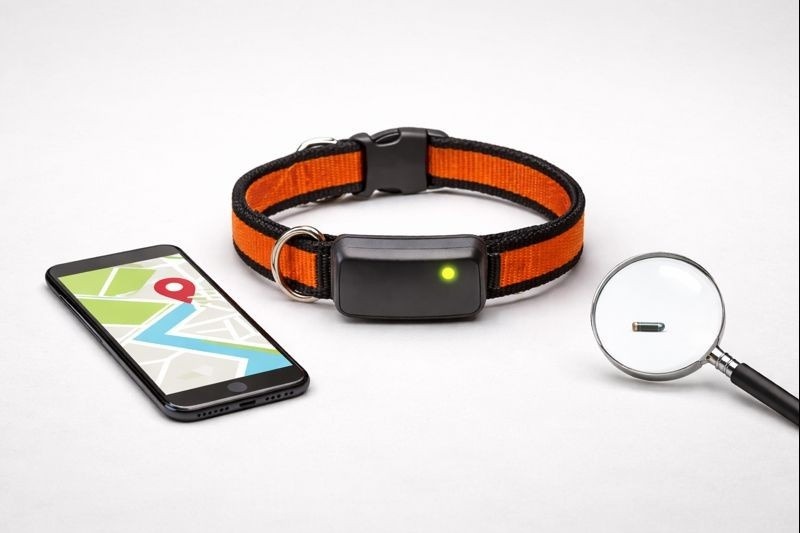
The GPS Dog Collar vs. Microchip comparison is frequently misunderstood.
These two technologies serve entirely different purposes, yet they are often treated as substitutes. A microchip does not provide live tracking, and a GPS dog collar does not replace permanent identification. Confusing their roles can lead to unrealistic expectations during a recovery situation.
A GPS dog collar delivers real-time location data through satellite positioning and network transmission. A microchip, by contrast, is a passive identification implant that only functions when scanned at a veterinary clinic or animal shelter.
This guide examines how each system works, where its limitations appear, and when one may be sufficient — or why using both together creates a stronger safety framework.
By the end, you’ll have a confident answer—not just for today, but for years ahead.
Why Choosing the Right Tracking Setup Matters
Dogs escape. Even the calmest ones can slip out during fireworks, chase a squirrel, or squeeze through a loose fence.
Some dogs run far. Others hide nearby. Some get picked up by kind strangers or animal shelters. Others wander for hours before anyone notices them.
Each of these situations unfolds differently, which is exactly why a single safety solution does not always cover every possibility. The way a dog gets lost often determines the way they get found.
That reality chooses between GPS collars and microchips far more than a technical one. It is about understanding how dogs behave when frightened or curious, and how humans usually respond when they come across a wandering pet.
What a Microchip Really Does
Let’s start with the quieter of the two tools.
A microchip is a tiny device placed under your dog’s skin, usually between the shoulders. The process is quick and similar to getting a shot. Once inside, it stays there for life.
However, this is where expectations need a reset.
What Microchips Do Not Do
A microchip does not track your dog.
It does not send signals, display locations on a map, or alert you if your dog leaves the yard.
Instead, it works like a permanent ID card.
How a Microchip Actually Helps
When a lost dog is taken to a shelter or a vet clinic, staff often scan it with a handheld device. If they find a chip, a number appears. That number links to a database that—if everything is updated—shows your contact details.
In other words, microchips help after your dog has already been found by someone else.
That might sound limited at first, but it becomes far more powerful when you consider how many dogs are recovered this exact way every year.
All veterinary clinics and animal shelters have handheld scanners that can detect your dog’s microchip.
Why Microchips Are Still So Important
Microchips quietly do their job behind the scenes, and they’ve reunited countless pets with families.
They are always there. You do not need to charge them. They cannot fall off. Your dog does not even notice them.
That reliability makes microchips especially valuable in long-term scenarios. If a dog travels far or is picked up days later, a collar tag might be missing, but the chip is still in place.
Still, for all their strengths, microchips depend on two key steps happening.
When Microchips Work Best
First, your dog must be taken somewhere with a scanner.
Second, your contact details must be current in the database.
If either part fails, the chip cannot complete the chain of reunion. This is why many owners begin searching for something that works earlier in the process, during the frantic first minutes after an escape.
That search naturally leads to GPS collars.
How GPS Dog Collars Work in Everyday Life
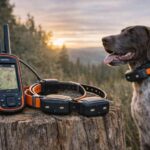
A GPS dog collar is worn around your dog’s neck, just like a normal collar. Inside is a tracking device that sends location updates to your phone through an app.
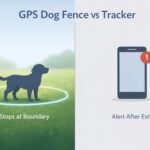
If your dog wanders off, you can open the app and see where they are—often within seconds. Some models let you draw a virtual boundary around your yard or neighborhood, while others show movement history, walking routes, or activity levels.
Unlike microchips, GPS collars are designed for action rather than identification. They step in at the exact moment panic starts to rise.
That difference shapes everything about how they fit into daily life.
Why GPS Collars Feel So Reassuring
Seeing your dog’s position on a map instead of guessing brings instant relief.
GPS collars shine in fast-moving situations. If your dog bolts during a walk, slips out of the driveway, or escapes while camping, you can start heading toward their location right away rather than waiting for someone else to intervene.
They are particularly useful for dogs who roam large properties, hike off-leash, or live near woods and open land.
Of course, that reassurance comes with practical responsibilities.
The Real-World Limits of GPS
GPS collars need charging. They can be forgotten at home. Some rely on mobile networks, which may struggle in remote areas.
And because they are worn outside the body, they can occasionally come loose during rough play or swimming.
These limitations do not cancel out their value, but they explain why many owners do not rely on GPS alone.
The Core Difference: Identification vs Tracking
Here is the simplest way to frame the debate: a microchip helps someone else contact you after they have found your dog, while a GPS collar helps you go find your dog yourself.
One waits quietly in the background, and the other works actively the moment something goes wrong.
Once this distinction becomes clear, the question shifts. It stops being about replacing one tool with another and becomes about whether layering protection makes sense for your situation.
What Happens in Real-World Lost Dog Situations
Imagine two different days.
When GPS Makes the Fastest Difference
Your dog squeezes through a fence at night and disappears into the neighborhood. You notice within minutes. With a GPS collar, you open the app and walk toward their location. Maybe they are two streets away, sniffing around a trash can, completely unaware of the panic they caused.
You scoop them up before anyone else even knows they were missing.
When a Microchip Saves the Day
Now picture another ending. Your dog slips out while you are at work. Hours pass. A family finds them wandering and brings them to a shelter. Staff scan for a chip, find your number, and call you.
In the first case, GPS did the heavy lifting.
In the second, the microchip quietly completed the rescue.
Most lost dogs fall somewhere between these two stories, which is why shelters and trainers so often recommend using both tools together.
Is a GPS Collar Enough on Its Own?
For some owners, a GPS collar feels like the perfect answer.
If you live in an area with good mobile coverage, keep the device charged, and your dog wears it every time they go outside, it can dramatically shorten search time.
Still, relying on GPS alone means accepting a few risks.
Where GPS Can Fall Short
Batteries can run down. Collars can slip off. Devices can break after heavy wear.
That does not make GPS unreliable; it simply means it works best as part of a broader plan rather than the only safeguard in place.
Is a Microchip Enough on Its Own?
Microchips are better than nothing. In fact, most vets agree every dog should have one.
They are affordable, long-lasting, and widely recognized by shelters.
Yet they do not help you search in real time. You are waiting for a call rather than following a map, and that waiting can feel endless when you love your dog.
For many families, that emotional reality is what pushes them to add GPS rather than relying on a chip alone.
Why Using Both Often Makes Sense
Combining a GPS collar and a microchip covers both sides of the problem, helping during the crucial first minutes or hours while also acting as a backup if the situation stretches longer or involves strangers and shelters.
Think of it as building layers of safety rather than choosing a single shield.
For dogs who spook easily, love exploring, or have escaped before, that layered approach can turn a nightmare scenario into a short-lived scare.
How to Decide What’s Right for Your Dog
Instead of comparing a GPS dog collar vs microchip, which tool is better, look at your dog’s habits and your daily life.
Do they test fences or doors? Do you hike or travel often? Do you live near busy roads or wide open spaces? Are you consistent about charging devices?
If your dog mostly stays indoors and rarely wanders, a microchip paired with visible ID tags might meet your needs.
If they are adventurous or quick to bolt, GPS adds confidence, especially with premium systems like those covered in our Halo Collar vs SpotOn Fence review.
If peace of mind matters above all else, using both creates the strongest safety net.
Cost, Comfort, and Daily Life
Money and routine matter too.
Microchips usually involve a one-time vet visit.
GPS collars cost more upfront and often come with monthly fees for location services.
Comfort plays a role as well. Most dogs adjust quickly, but choosing a well-fitting collar keeps them relaxed and active.
Charging the device becomes part of your routine, much like charging your phone at night.
Common Myths That Deserve to Disappear
One of the biggest myths is that microchips let you track your dog on a map. Another is that GPS collars make microchips unnecessary.
Both ideas lead to disappointment when real-life situations unfold.
Understanding what each tool can and cannot do is what keeps expectations realistic and decisions smart.
Building a Complete Safety Plan
Technology works best when it is part of everyday care, not a replacement for it. Simple habits like keeping ID tags visible, updating your dog’s chip records, saving recent photos on your phone, and checking fences and gates regularly can quietly prevent many close calls.
GPS collars and microchips fit into this bigger picture. They add protection, but they cannot do everything on their own.
When combined with attentive ownership, they form a system designed for prevention, quick action, and the kind of happy reunions every dog owner hopes for.
The Bottom Line: One, the Other, or Both?
So, is one enough? Sometimes. The right choice depends on your dog’s habits, where you live, and how quickly you usually notice trouble.
A microchip gives your dog permanent identification if someone else finds them. A GPS collar helps you act fast when they wander off. Each solves a different part of the same problem, which is why many owners feel safest using both.
If you must choose just one for now, start with a microchip and add GPS later when it fits your routine and budget.
Making that decision today—before anything goes wrong—can spare you panic later and turn a scary moment into a quick, happy reunion.
Frequently Asked Questions
Can a microchip track my dog’s location?
No. A microchip does not send signals or show locations. It only shares your contact details when scanned by a vet or shelter.
Should every dog be microchipped?
Most vets recommend microchipping all dogs because it provides permanent identification that cannot fall off or be removed.
Can a GPS collar replace a microchip?
Not really. GPS helps with real-time searching, while microchips help once someone else finds your dog. They solve different parts of the same problem.
What happens if my dog loses their GPS collar?
If the collar comes off, tracking stops. That is why having a microchip as backup is so valuable.
Is using both a GPS collar and a Microchip worth the cost?
For many owners, yes. The combination offers faster searches and long-term identification, which can prevent days or weeks of worry.

The Smart Pet Gears Team (Team SPG) is a group of pet care researchers, product analysts, and writers dedicated to helping dog owners make informed decisions about smart collars, GPS trackers, and pet technology.
Our articles are based on manufacturer documentation, veterinary guidelines, testing insights, and independent analysis to ensure accuracy and transparency.