Halo has spent years building a reputation in the GPS dog fence market, but 2026 marks a major shift in the lineup. Halo 5 introduces faster tracking and rapid charging, while Halo 4 has dropped into a lower price tier, making it a much stronger value option than before.
That leaves many owners with a simple question: pay more for Halo 5’s premium upgrades or save money with Halo 4 and still get reliable GPS fence performance.
If you’re new to virtual fences, see our guide on GPS fence vs GPS tracker for dogs explained.
This Halo Collar 4 vs Halo Collar 5 review compares tracking accuracy, charging speed, battery life, pricing, and real-world fence performance.
Halo 4 vs Halo 5 Dog Collar: Differences at a Glance
Before diving deep, here is the essential comparison of the two models currently dominating the 2026 market.
| Feature | Halo Collar 4 | Halo Collar 5 |
|---|---|---|
| GPS Technology | Dual-Frequency (L1/L5) | AlwaysOn™ Dual-Band + AI Filtering |
| Update Frequency | 1 Update Per Second | 20 Updates Per Second (20Hz) |
| Charging Time | 2-3 Hours | 1 Hour (Rapid Charge) |
| Battery Life | ~30 Hours | Up to 48 Hours |
| Charging Style | Magnetic “Snap-On” Dock | Magnetic “Snap-On” Dock |
| Best For | Suburban yards & Budget-focused | Large acreage & “Escape Artists” |
| 2026 Price | ~$449 | ~$599 |
Prices and promotions are based on typical 2026 listings and may vary by retailer, region, or seasonal discounts.
Halo Collar Models Explained: Halo 3 vs Halo 4 vs Halo 5
Before diving into new features, it helps to understand how Halo’s system works and how each generation has evolved.
How the Halo Virtual Fence Works
Halo replaces a physical fence with a digital boundary drawn in the app. As a dog approaches the line, the collar delivers escalating feedback—audio tones or vibration first, followed by stronger corrections if needed. Over time, most dogs learn the perimeter and stay inside it.
If you’re new to virtual containment systems, our detailed breakdown of how GPS dog fences work in real-world conditions explains their limitations and ideal setups.
Evolution of Halo Collars
Halo 3: The foundation. Slower GPS lock, older tracking hardware, and 3+ hour charging.
Halo 4: The refinement. Added dual-frequency GPS and improved durability. (Now the “Budget King”).
Halo 5: The flagship upgrade. Introduced AlwaysOn™ tracking, 1-hour fast charging, and smoother app syncing with dedicated Wi-Fi/Bluetooth chips.
With that context in place, let’s move to the feature drawing the most attention.

Halo 5’s Biggest Upgrade: AlwaysOn™ GPS Performance in Real Use
When Halo announced AlwaysOn™ GPS, it was clearly positioned as the star of the show. Earlier collars sometimes entered low-power states to conserve battery power, which meant they needed a moment to “wake up” and lock onto satellites again.
In most cases, that was fine, but when a dog was walking quickly toward the edge of a yard, even short delays could feel stressful.
What Is AlwaysOn™ GPS and Why It Matters
Halo 5’s continuous satellite monitoring is designed to avoid that pause. Instead of letting the signal go idle, the collar maintains a steady positioning lock, which translates into:
• Faster boundary warnings
• Quicker app notifications
• Smoother live tracking on the map
Halo 5 vs Halo 4 GPS Tracking: What’s the Difference in Speed and Accuracy?
In everyday use, the differences show up in small but meaningful ways:
• The in-app map feels more fluid, with fewer position jumps
• Fence alerts typically arrive earlier
• Owners get more time to react before a real escape attempt
When compared directly:
• Halo 4 still performs well in open yards and quiet suburbs
• Halo 5 separates itself in difficult GPS conditions
Urban vs Suburban vs Rural Performance
- Suburban (Open Yards): Both collars perform exceptionally. Halo 4 is the best value here.
- Urban (Tall Buildings/Narrow Lots): Halo 5 is superior due to AlwaysOn™ GPS and dual-band filtering that ignores “signal bounce” off walls.
- Rural (Heavy Tree Cover/Acreage): Halo 5 wins. Its 20Hz update rate and Precision+ (Skylark) integration prevent “boundary jumping” when dogs run fast through dense woods.
How Faster GPS Updates Improve Training Success
Faster tracking doesn’t just improve monitoring—it sharpens training. While both models use the same programs, quicker GPS response means boundary warnings arrive closer to the exact moment a dog approaches the fence.
That timing helps dogs learn faster, reduces repeated boundary testing, and creates a calmer experience overall.
With GPS covered, the next major upgrade Halo owners long requested was far simpler—but just as important: charging time.
Fast Charging Showdown: Halo 5 vs Halo 4 Battery and Docking
While both collars use a magnetic snap-on dock, their charging hardware performs very differently. In 2026, charging convenience has become one of the biggest deciding factors for many owners.
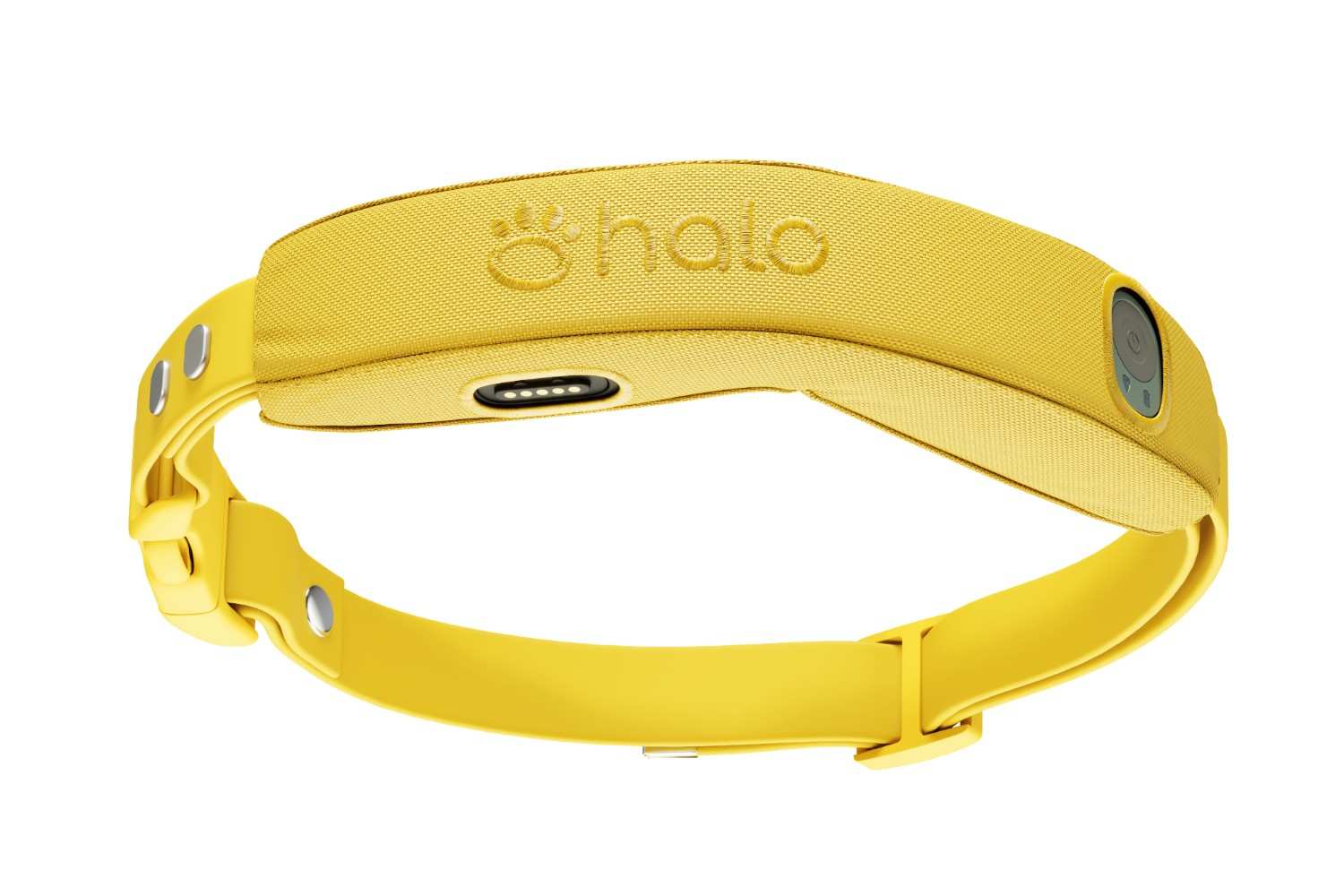
Charging Speed:
Halo 5: Reaches a full charge in just 1 hour. Perfect for “topping off” while your dog eats or naps.
Halo 4: Requires 2 to 2.5 hours for a full cycle, often necessitating overnight charging to ensure it’s ready for the morning.
Total Battery Life:
Halo 5: Lasts up to 48 hours, even with the high-precision “AlwaysOn” GPS running.
Halo 4: Averages about 30 hours per charge, meaning most owners will need to charge it daily to avoid downtime.
Charging Hardware:
Halo 5: Includes an optimised 20W–25W rated system and a redesigned dock that snaps into place more securely.
Halo 4: Uses the standard magnetic dock, which can be more sensitive to positioning.
The Verdict on Power
The Halo 5 isn’t just about a longer battery; it’s about reducing friction. The ability to get 2 days of use from a 60-minute charge makes it the superior choice for active families who don’t want to manage a charging schedule.
The Cost of Safety: Halo 4 Bargains vs Halo 5 Investment
In 2026, the money side of the Halo decision has become more interesting than ever. Halo 4 has slid into a lower price bracket as the brand pushes Halo 5 as its premium option.
That shift has turned Halo 4 into what many shoppers see as a “sweet spot” deal, especially for suburban homes that do not need every cutting-edge feature.
Halo 4’s 2026 Price Drop — Why It’s Now the “Value King”
Halo 4’s lower upfront price plays a major role in its long-term affordability rather than just its checkout appeal.
When paired with the same monthly subscription fees as Halo 5, that discounted hardware cost means the total ownership gap between the two collars stays relatively narrow over time.
For buyers planning to keep the system for several years, this shift is what turns Halo 4 from a short-term bargain into a genuinely economical option.
Halo 5 Pricing — What You’re Paying For
Halo 5, on the other hand, asks for a higher upfront payment. That extra money is tied mainly to the upgraded GPS and faster charging hardware.
If those features directly solve problems you expect to face, the price can feel reasonable. If not, Halo 4 suddenly looks very tempting.
Halo Subscription Tiers and Monthly Fees
Beyond the collar itself, there is the monthly plan to consider. Halo’s service tiers cover the GPS connection, live tracking, and other connected features.
Both Halo 4 and Halo 5 use the same subscription system, but Halo 5’s flagship features—such as AlwaysOn™ tracking—benefit the most from higher-tier plans.
| Tier | Monthly Cost | Key Features |
|---|---|---|
| Bronze | $9.99 | Essential GPS, 5 Fences, Basic Tracking |
| Silver | $14.99 | 20 Fences, Activity Reports, Real-Time Tracking Dashboard |
| Gold | $19.99 | Unlimited Fences, Live Expert Support, Concierge Setup |
Note: AlwaysOn™ GPS is built into Halo 5 hardware, but live map views and the highest-frequency tracking displays depend on your subscription tier.
Higher tiers unlock more advanced tracking tools and extras, while basic plans handle core location services. Families with multiple dogs can often save by grouping collars under one account.
Total Ownership Cost: Halo collar 4 vs Halo collar 5 Over Two Years
To make the long-term price difference clearer, here is a simplified two-year cost snapshot assuming both collars are on the Silver plan.
| Cost Component | Halo 4 (Value Path) | Halo 5 (Pro Path) |
|---|---|---|
| Hardware Cost | $449 | $599 |
| Monthly Plan (Silver) | $14.99/mo | $14.99/mo |
| Total (24 Months) | ~$808 | ~$958 |
Over two years, Halo 5 costs roughly $150 more, largely because of the higher hardware price rather than subscription fees.
Halo App Usability and Tracking Experience in 2026
The Halo app acts as the control centre for everything. It is where you draw fences, check your dog’s location, adjust settings, and receive alerts. In recent years, the interface has become more polished, with smoother maps and clearer menus than early versions.
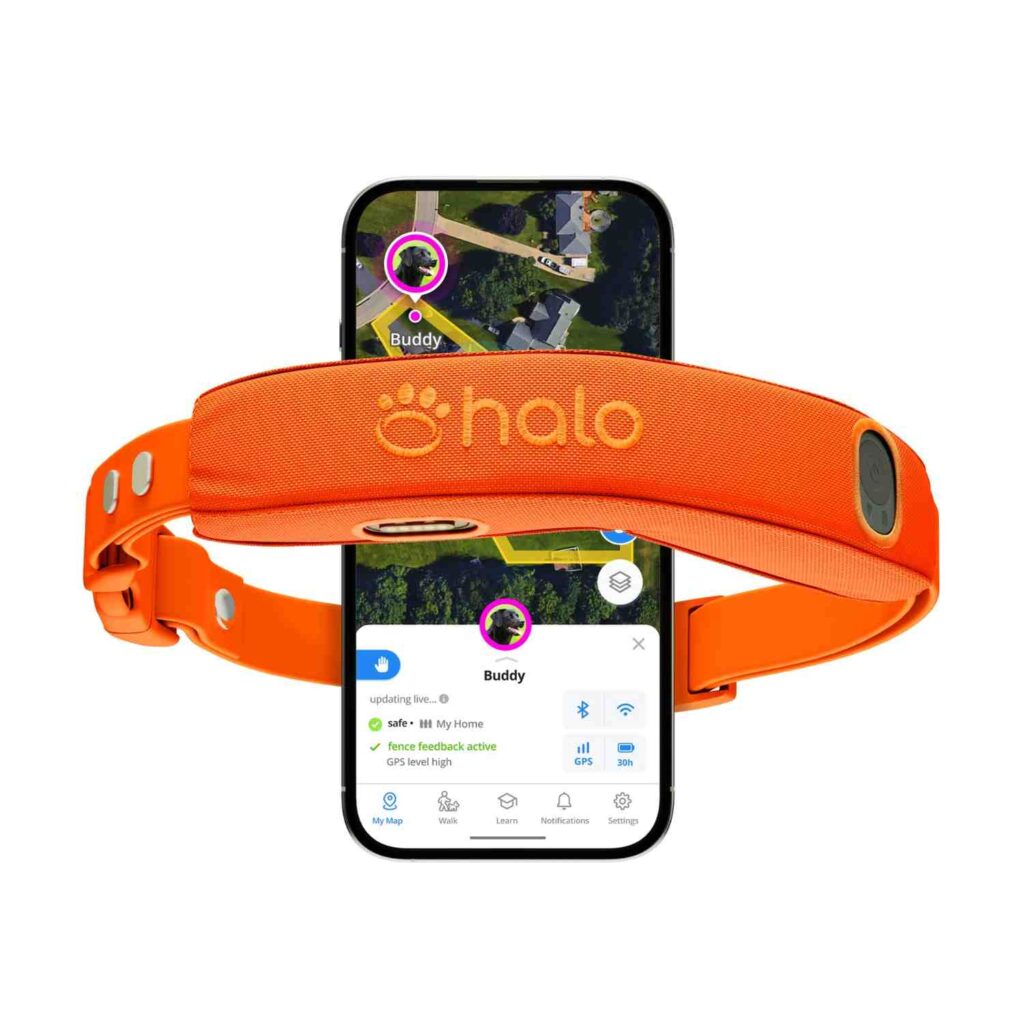
Fence Creation and Zone Management
Setting up a yard boundary is fairly straightforward. You zoom in on your property, trace the outline with your finger, and save it.
Many owners appreciate that you can store multiple items in multiple areas, which is useful for travel, vacation homes, or family visits. Switching between zones is quick, and the collar updates to the new space without much fuss.
Live Tracking and Notification Speed
Live tracking is responsive on both collars, with quick alerts when boundaries are approached or crossed. Halo 5 maintains an advantage in difficult environments, but in everyday conditions, most owners will find the app reliable regardless of model.
Overall, the 2026 app experience feels polished and stable across both collars.
No GPS is perfect, however, and understanding its limitations helps keep expectations realistic.
Limitations, Drawbacks, and Who Halo Isn’t For
Even with the 2026 upgrades, the Halo system has specific trade-offs. Here is who should—and shouldn’t—invest:
Common Halo Collar Limitations
Minimum Yard Size: Not for tiny yards. You need at least 900 sq. ft. to prevent “GPS drift” from triggering false corrections.
Mandatory Subscription: The collar will not work without a monthly plan (starting at $9.99). Factor this into your long-term cost.
Training Commitment: It’s not “plug-and-play.” You must complete the 21-day training program to ensure your dog understands the boundaries.
Dog Size: The unit is bulky and generally not suitable for dogs under 10 lbs or very young puppies.
Signal Blockage: While the Halo 5 is better, heavy tree cover or metal buildings can still cause “GPS shadows” that delay alerts.
Charging Habits: It requires discipline. If you forget to charge it, your fence is effectively “off” (though the Halo 5’s 1-hour charge mitigates this).
Who Should Skip the Halo?
Apartment/Leash-only owners: A cheaper tracker (like Tractive) is better for basic location.
Small Patio Owners: The 10-foot “warning zone” will leave your dog with no room to move.
Extreme Budget Buyers: The high upfront cost + monthly fee makes it a premium-only choice.
Which Halo Collar Should You Buy? (Halo Collar 5 Review Verdict)
Choose Halo 5 If…
You have an “escape artist”: You need the 20Hz (20 updates per second) real-time tracking.
You have a large or wooded property: You need the AlwaysOn™ GPS to maintain a signal under heavy cover.
Convenience is a priority: You want the 1-hour rapid charge so the collar is never off the dog for long.
You want the best tech: You view the collar as a long-term investment in the highest safety standards available in 2026.
Choose Halo 4 If…
You are budget-conscious: You want “pro-level” features at a ~$150 discount.
You live in the suburbs: Your yard has a clear view of the sky and standard boundary needs.
You have a predictable routine: You don’t mind the 2.5-hour charge time (usually overnight).
Value is king: You want the same training and app experience as the flagship model without the premium price tag.
Should Halo 3 Owners Upgrade to Halo 5 or Halo 4?
Owners still using Halo 3 may find that either newer model feels like a big step forward. Halo 3 or Halo 4 owners can sometimes receive a $150–$200 in-app credit toward upgrading to Halo 5.
This promotion can dramatically narrow the price gap, though availability varies by region and over time
For people looking for a comparison of Halo with other collars, we have also written a detailed article on Halo vs. Spot On fence.
Final Verdict: Halo 5 vs Halo 4 — Performance vs Value
Halo 5 earns its premium with faster GPS response and dramatically improved charging, making it the better choice for demanding situations and adventurous dogs.
Halo 4, however, has become the quiet bargain of the lineup, offering dependable performance at a friendlier price.
In 2026, the right answer is not universal. It depends on whether you value cutting-edge convenience or maximum savings for still-strong results.
Frequently Asked Questions
What is the difference between Halo Collar 4 and Halo Collar 5?
Halo Collar 5 offers faster GPS updates, AlwaysOn™ dual-band tracking, and 1-hour charging, while Halo Collar 4 has slower updates, longer charging (3–4 hours), and a lower price. Halo 5 is better for large or complex areas. For smaller yards or budget-focused buyers, Halo 4 provides better value.
Does Halo Collar 5 use shock or static correction?
Halo Collar 5 uses adjustable static correction, not automatic shock. It first gives sound and vibration warnings, and correction is only applied if the dog continues past the boundary, with full control available to the owner.
Is there any difference in training features between Halo 4 and Halo 5?
No major difference. Both collars use the same training system, including audio, vibration, and static feedback, along with guidance programs. The main improvement in Halo 5 comes from more precise timing due to better GPS responsiveness.
Is Halo Collar 4 still worth buying in 2026?
Halo Collar 4 remains a strong value option. It offers reliable GPS containment for suburban homes and typical yard sizes. If you don’t need the fastest tracking or quick charging, it can save money without sacrificing core functionality.

The Smart Pet Gears Team (Team SPG) is a group of pet care researchers, product analysts, and writers dedicated to helping dog owners make informed decisions about smart collars, GPS trackers, and pet technology.
Our articles are based on manufacturer documentation, veterinary guidelines, testing insights, and independent analysis to ensure accuracy and transparency.