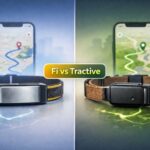
App-based GPS collars dominate the consumer pet tracking market. Devices like Fi Smart Dog Collar, Tractive GPS Dog Tracker, and Halo Collar 3 are built for everyday use, relying on LTE connectivity and smartphone integration.
Then there is Garmin.
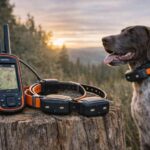
At a glance, Garmin’s dog tracking collars may appear similar. In reality, they operate on an entirely different architecture. Rather than functioning purely as app-connected accessories, Garmin systems use dedicated handheld transmitters and long-range radio communication designed for field reliability.
Garmin is not selling a simple collar; it is offering a professional-grade tracking ecosystem built for rural terrain, hunting environments, and low-signal areas where cellular-dependent trackers struggle.
This Garmin Dog Tracker Review examines who these systems are engineered for and how to determine whether they align with your environment and tracking requirements. The focus is clarity, not marketing. So you can make a technically informed decision.
How Garmin Dog Tracking Actually Works
Before we talk about specific systems, it helps to understand what makes Garmin different.
Every Garmin tracker starts with the same basic idea. The collar connects to GPS satellites in the sky to figure out exactly where your dog is. That is how GPS trackers work.
The big difference comes next.
Instead of always using cell towers like many modern pet trackers, Garmin has two ways to send that location back to you. Some systems use radio signals. Others use LTE cellular networks.
With the radio-based systems, the collar sends your dog’s location directly to a handheld device that you carry. There’s no need for cell service. No need for Wi-Fi. The connection happens directly between the collar and your handheld unit.
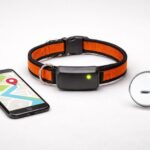
With the LTE version, the collar uses a cellular network and sends updates to your smartphone through an app. That works more like the trackers many pet owners are already familiar with.
So in simple terms, Garmin offers two different ecosystems. One is built for independence from cell towers. The other is designed for convenience through your phone.
Understanding this difference makes everything else much easier.
Garmin Dog Tracker Review: Grouping Systems by Real-World Use
Instead of diving into a long list of models, it makes more sense to group Garmin systems by how people actually use them. When you look at it this way, the decision becomes clearer.
Tracking Only (T Series) — Built for Long-Range Hunting and Rural Use
If your dog runs far, works in fields, or disappears over hills during a hunt, this is where Garmin shines.
Two well-known examples in this category are the Garmin T 20 and the Garmin T 5.
These collars are designed for long-distance tracking without depending on cell towers. They connect to a handheld receiver that shows your dog’s position on a map. In open terrain, the range can stretch several miles. In wooded or hilly areas, the distance may shorten, but it still works in places where cell service completely drops.
This type of system is especially helpful for hunters, large property owners, and people who work multiple dogs at once. You can monitor movement in real time and see where your dog has traveled.
The newer T 20 model has a slimmer build and supports Wi-Fi updates, which makes maintenance easier. The older T 5 is bulkier but still dependable. The main point is that both are built for serious outdoor use. They are rugged, waterproof, and meant to handle mud, brush, and unpredictable weather.
If you’re picturing wide open land instead of a neighborhood sidewalk, this category starts to make sense.
Tracking and Training Systems (TT Series with Alpha Handhelds)
Now let’s take it one step further.
Sometimes tracking isn’t enough. If you’re training hunting dogs or managing multiple dogs in the field, you may want the ability to send commands from a distance.
That’s where systems like the Garmin Alpha TT 25 come in. These collars combine tracking with training features such as tone, vibration, and adjustable correction levels.
But here’s something important to understand. The collar itself isn’t the brain. The handheld device controls everything.
Common handheld options include the Garmin Alpha 300i, the Garmin Alpha 200i, and the smaller Garmin Alpha 10.
Think of the handheld as the command center. It shows maps, tracks multiple dogs, and allows you to send signals. The collar gathers location data and carries out commands.
For professional trainers and serious hunters, this setup offers control that goes far beyond simple tracking. You can see whether a dog is moving, stopped, or holding position. You can manage an entire group without needing to shout or chase after them.
That said, this system comes with a learning curve. It’s powerful, but it’s not as simple as opening an app on your phone. If you enjoy gear designed for field work, you’ll likely appreciate it. If you prefer quick and easy, it may feel overwhelming.
LTE Option — Garmin for Everyday Pet Owners
Not everyone needs long-range radio tracking.
For urban and suburban pet parents who prefer a smartphone-based experience, Garmin offers the Garmin Alpha LTE.
This version uses cellular networks instead of radio signals. It connects to your phone through an app and works much like other LTE pet trackers on the market. Because it relies on cell towers, it does require a subscription.
The big advantage here is simplicity. You don’t have to carry a separate handheld device. If your dog slips out of the yard or gets loose during a walk, you can check their location on your phone.
Compared to Garmin’s hunting systems, this model is smaller and more lifestyle-focused. It’s meant for daily life rather than deep woods tracking.
In many ways, the Alpha LTE bridges the gap between traditional Garmin systems and modern pet GPS collars.
Core Differences You Should Understand
At this point, you might be wondering which direction makes more sense.
The main decision comes down to independence versus convenience.
Radio-based Garmin systems work without cell service. That makes them extremely reliable in remote areas. However, they require you to carry a handheld device.
LTE-based Garmin systems rely on cellular coverage. They are easier to use and feel more familiar to most pet owners, but they depend on network strength and require ongoing subscription payments.
Once you know where and how your dog spends time, the right choice often becomes obvious.
How Garmin Performs in Real Hunting Conditions
Let’s talk about real-world performance, especially for hunting dogs.
In forests, mountains, and large open fields, radio-based Garmin systems are often praised for their reliability. Because they don’t rely on cell towers, they continue to function even when your phone shows no signal.
Hunters appreciate being able to see the direction and movement pattern of their dogs. Instead of just a dot on a map, you can understand how your dog is working an area.
Of course, no system is perfect. Deep valleys, heavy rock formations, and thick terrain can reduce range. The signal may weaken at extreme distances. But compared to LTE trackers in areas with poor coverage, radio-based systems often have the advantage.
It’s also worth noting that Garmin collars are larger than many lifestyle trackers. They’re built for durability, not minimal style. For very small breeds, this may feel excessive.
Still, for serious field work, many users consider the reliability worth the trade-off.
If you want a broader look at how GPS trackers perform in remote forests, mountains, and rugged terrain, you can read our full guide on GPS Trackers for Hunting Dogs.
Battery Life and Durability in Practical Terms
No Garmin Dog Tracker Review would be complete without discussing the battery life and durability.
Battery life depends on how often the collar updates its location. Faster updates give you more detailed tracking, but use more power. Slower updates extend battery life.
Radio-based systems can last anywhere from a full day to multiple days, depending on settings. For weekend hunts or extended outdoor use, this flexibility is helpful.
The LTE version typically has shorter battery life because it constantly communicates with cell towers. That’s common with most cellular trackers.
In terms of durability, Garmin’s hunting collars are built to withstand harsh conditions. They are designed to resist water, mud, and impact. The LTE version, while still sturdy, is designed for everyday wear rather than extreme terrain.
Cost Overview and Long-Term Value
Garmin systems usually require a higher upfront investment compared to basic pet trackers.
With radio-based systems, you pay for the collar and handheld device. After that, there are typically no monthly fees unless you choose additional satellite features.
With the LTE version, the hardware cost may be lower, but you’ll pay a subscription fee over time.
If you plan to use the system for years, radio-based setups can become more cost-effective in the long run. If you prefer a lower starting cost and don’t mind monthly payments, LTE may feel more comfortable.
Thinking about long-term ownership instead of just initial price helps avoid surprises.
Who Should Choose Garmin?
Garmin makes the most sense for hunters, rural property owners, professional trainers, and people managing multiple dogs. If your dog regularly runs far from you or works in remote areas, the radio-based systems offer independence that smartphone trackers simply cannot match.
For suburban and city pet owners who want phone-based tracking, the LTE option is easier and more familiar.
On the other hand, if you live in an apartment and only need basic neighborhood tracking, a simpler LTE collar from other brands may feel more practical.
The key is matching the system to your dog’s lifestyle, not choosing based on brand name alone.
Final Verdict: Is Garmin Worth It?
To conclude this Garmin Dog Tracker Review, the answer depends on your environment.
If your dog works in fields, forests, or wide-open land, the radio-based Garmin systems provide a level of control and independence that is hard to beat. If you prefer smartphone convenience and live in an area with strong cellular coverage, the LTE option offers a more modern approach.
In the end, Garmin isn’t about flashy features. It’s about purpose. When your needs match what the system was designed for, it can feel incredibly dependable. When they don’t, it may feel like more than you actually need.
Take a moment to think about where your dog spends time, how far they roam, and how much control you want. Once you answer those questions honestly, the right Garmin system usually becomes clear.
The Smart Pet Gears Team (Team SPG) is a group of pet care researchers, product analysts, and writers dedicated to helping dog owners make informed decisions about smart collars, GPS trackers, and pet technology.
Our articles are based on manufacturer documentation, veterinary guidelines, testing insights, and independent analysis to ensure accuracy and transparency.