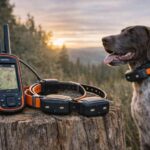
A hunter once described watching his hound disappear over a ridge after catching a scent. Within seconds, the sound of barking faded. There were no bells. No phone signal. No visual contact.
The only proof the dog was still moving was a small GPS marker on a handheld screen.
In remote forests and rugged terrain, that marker is not a convenience. It is the only connection left.
This is where GPS trackers for hunting dogs are tested — not in open parks, but in valleys, dense timber, steep hills, cold rain, and miles of unpredictable ground.
Reliability in these conditions means more than “works most of the time.” It means:
- Stable signal retention
- Consistent location updates
- Battery endurance through long hunts
- Hardware that survives mud, impact, and cold
This guide examines how GPS trackers actually perform in real hunting environments, what separates dependable systems from fragile ones, and how to choose equipment that matches your terrain and hunting style.
Understanding GPS Trackers for Hunting Dogs: The Basics
GPS trackers for hunting dogs exist because traditional methods of tracking are limited. Bells can only be heard so far. Shouting travels even less. Visual tracking is often impossible in thick brush, tall grass, or forests.
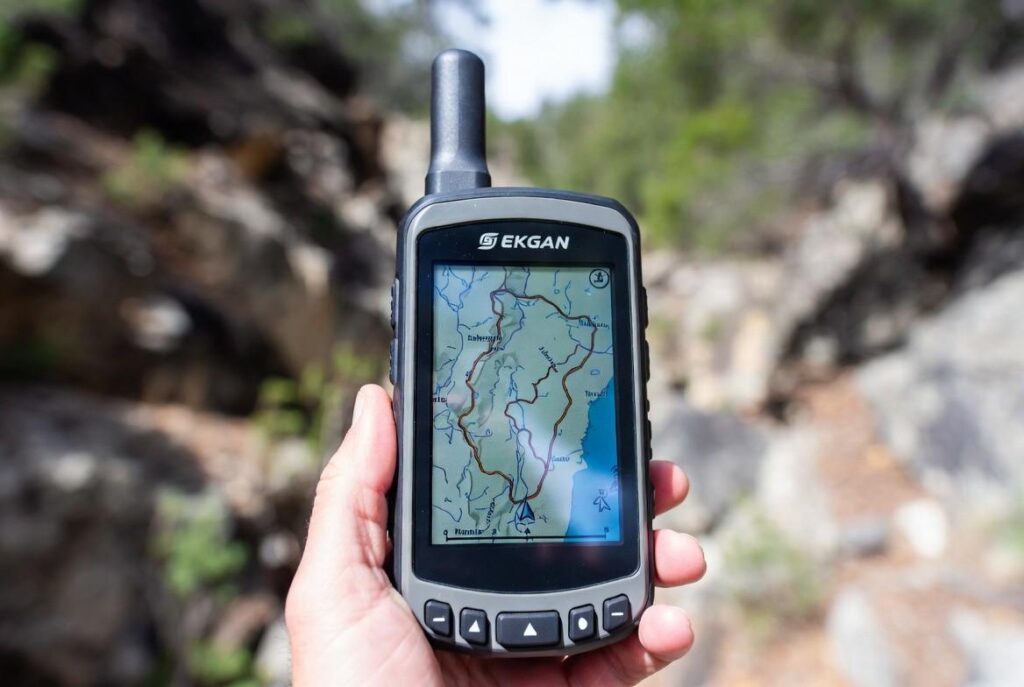
A GPS tracker solves this by using satellites to calculate the dog’s position and then sending that information to you, either through a handheld receiver or a phone app.
Why This Changes the Way Hunters Work
For hunters, this changes everything. Instead of guessing where the dog went or which direction it took, you get a map with a moving point that shows the dog’s location, speed, and sometimes even behavior, like whether the dog is running, stopped, or barking.
This allows you to make decisions based on real information instead of instinct alone.
How GPS Technology Handles Remote Areas
GPS itself works almost everywhere on Earth because it relies on satellites orbiting the planet, not on local towers.
A tracker receives signals from several satellites and uses them to calculate its position. The challenge is not getting the location, but sending that location back to you.
Satellite vs Cellular Communication
Some trackers use cellular networks to send data, which works fine near towns, roads, and populated areas. However, once you move into deep forests, mountains, or remote plains, cell towers become scarce or non-existent.
We have covered the technical differences between these systems in more detail in our comparison of GPS trackers vs Bluetooth and AirTag-based trackers
This is where satellite-based communication or direct radio communication between the collar and your handheld device becomes important. These systems do not depend on mobile networks and therefore keep working where phones do not.
Modern trackers also use multiple satellite systems, not just the standard GPS satellites, but also systems like GLONASS and Galileo. Using more than one system improves accuracy and reduces the chance of losing a fix in places where the sky view is partly blocked by trees or terrain.
Update Frequency and Tracking Accuracy
Another factor is how often the tracker updates its location. A fast-moving dog can cover a lot of ground in a short time. Trackers that update every few seconds give a near real-time picture, while slower updates can make the dog feel harder to follow, especially during active chases.
Key Differences from Everyday Pet Trackers
Pet trackers made for city use focus on convenience, small size, and low cost. Hunting trackers focus on survival and performance.
They are usually larger, heavier, and more rugged because they need stronger batteries, better antennas, and tougher casings.
GPS trackers for hunting dogs are built to survive rain, mud, snow, and accidental impacts. They are designed to be worn by dogs that run through bushes, jump over rocks, and squeeze through narrow spaces.
Many also include features that are only useful in hunting, such as alerts when the dog starts barking, when it stays in one place for a long time, or when it reaches a specific distance.
In short, they are tools made for a demanding job, not accessories made for casual walks.
Core Reliability Factors in Tough Conditions
Terrain is the biggest enemy of the signal. Dense trees, deep valleys, rocky hills, and even heavy rain can weaken or block signals. In flat open land, most trackers perform well. In forests and mountains, performance varies widely.
Signal Reliability in Real Terrain
Trackers that rely only on cellular networks often struggle in remote areas. They may work perfectly in open fields near towns, but lose connection entirely in deep woods.
Trackers with satellite or direct radio communication perform better in these places because they do not need local infrastructure.
Range also matters. Some trackers are designed to work within a couple of miles, while others can reach much farther in open conditions. However, the advertised range is often based on ideal line-of-sight situations. In real terrain, the usable range is usually shorter.
Accuracy is another part of reliability. If the tracker shows your dog is in the wrong place, even by a small amount, that can send you in the wrong direction. Good trackers usually stay within a few meters of the real position, even in challenging environments.
Battery Performance During Long Hunts
A tracker is only useful as long as it has power. Cold weather, frequent updates, and constant movement all drain batteries faster. A tracker that lasts several days in warm conditions may struggle to last a full day in the winter mountains.
Some of the better hunting trackers are built with large batteries and power-saving modes that reduce update frequency when the dog is not moving much. This helps extend battery life during long hunts.
Backup options also matter. Having a spare battery, a portable charger, or even a solar add-on can make the difference on multi-day trips where charging is not otherwise possible.
Durability and Physical Stress
Durability is often overlooked until something breaks. A cracked casing, a broken antenna, or water inside the device can end tracking immediately.
That is why hunting trackers are usually built with thick rubberized casings, sealed ports, and strong attachment systems.
Water resistance is critical because dogs will run through wet grass, streams, and rain. Extreme temperatures are also a concern, especially in high altitudes or winter conditions.
Fit and comfort matter as well. A tracker that is too heavy or poorly shaped can rub against the dog’s neck and cause irritation. A collar that does not stay in place can twist or fall off.
Reliable tracking also depends on the tracker staying exactly where it should be.
Top GPS Trackers Tested for Hunting Reliability
Different trackers suit different needs, and no single model is perfect for everyone. However, some stand out because they are clearly built with hunting in mind and have proven themselves in difficult environments.
Garmin Alpha Series: Built for the Backcountry
The Garmin Alpha series is often considered the standard for serious hunters. It uses a dedicated handheld unit and communicates directly with the collar, without relying on mobile networks. This makes it extremely reliable in areas with no signal at all.
Users often praise its long range, stable connection, and hunting-specific features like bark detection and detailed movement tracking. The downside is the price and the need to carry a separate device instead of using a phone.
Still, for those who hunt in truly remote places, this system is often worth the investment because it works where others do not.
Tractive and Similar Cellular Options
Trackers like Tractive are easier to use and cheaper. They work well in areas with at least some cellular coverage and are popular with people who hunt near farmland, villages, or mixed terrain.
In deeper wilderness, however, they can lose connection. Users often report that they are reliable in light woods and open areas but become inconsistent in mountains or dense forests. Battery life can also be shorter because the device is constantly searching for a signal.
Emerging Brands Like Dogtrace or PeelaGreen
Some newer brands focus specifically on ruggedness and niche hunting needs. These trackers often offer strong waterproofing, solid construction, and good accuracy at a lower price than premium brands.
While they may not have the same ecosystem or support network as larger brands, many hunters find them to be good value, especially for specific use cases or as backup devices.
Common Challenges and How to Overcome Them
Even the best trackers are not perfect. Knowing their limitations helps you prepare for them and avoid unpleasant surprises in the field.
Terrain-Specific Failures
Signal loss is usually temporary but can be stressful. Using a tracker that combines satellite and radio communication helps reduce this risk. Testing your tracker in similar terrain before a real hunt is also important so you understand how it behaves.
Having a backup method, such as a radio collar or even traditional bells, adds another layer of safety and awareness.
Maintenance and Long-Term Wear
Mud, dust, and moisture slowly damage electronics. Regular cleaning and proper storage help extend the life of a tracker. Keeping software updated also improves performance because manufacturers often fix bugs and improve accuracy through updates.
Warranty and customer support also matter. A reliable company that replaces or repairs faulty devices quickly is part of what makes a tracker a safe investment.
Cost and Ongoing Expenses
Some trackers require monthly fees, while others are one-time purchases. Over time, subscription costs can exceed the price of the device itself. Budget options exist, but they often come with compromises in range, durability, or support.
Understanding the full cost over several years helps you choose a tracker that fits your budget and expectations, which is why our GPS tracker buying guide compares subscriptions, long-term expenses, and value across different models
Tips for Choosing and Using a Dog Tracker Effectively
A GPS tracker is only as good as how well it matches your needs and how well you use it.
Matching Equipment to Hunting Style
Bird hunting often involves faster movement and shorter distances, while big game hunting can involve long chases over large areas. Choosing a tracker with the right update speed and range for your style makes tracking easier and more reliable.
Dog size and breed also matter. Larger, more energetic dogs can carry heavier trackers and often need more rugged equipment. Smaller dogs benefit from lighter devices.
As a rule of thumb, the GPS tracker for hunting dogs should not exceed about 5 percent of the dog’s body weight
Set Up and Training Before the Hunt
A proper fit prevents discomfort and device loss. Let your dog get used to wearing the tracker during normal walks before taking it on a hunt. This reduces stress and makes the tracker feel normal to the dog.
Testing the system in safe conditions also helps you learn how to read the data and react to alerts correctly.
Safety Practices in Remote Areas
Some trackers include health and activity monitoring, which can help you notice when a dog is tired or moving unusually slowly.
Emergency features, such as SOS buttons or sharing your location with others, add another layer of safety in remote areas.
Even with the right setup, hunters still face a few practical issues in the field — here are quick answers to the most common ones.
Conclusion: Finding Peace of Mind in the Hunt
GPS trackers for hunting dogs are not luxury accessories. In remote terrain, they are risk-management tools.
Their reliability depends on four factors: signal architecture, communication method (cellular vs radio/satellite), battery capacity, and physical durability. Weakness in any one of these areas becomes obvious in rough country.
The right tracker depends on where you hunt, how far your dog ranges, and how much failure you are willing to tolerate.
Technology does not replace training, instinct, or experience. But when terrain removes sight, sound, and phone service, a dependable tracking system can be the difference between uncertainty and actionable information.
Choose with the terrain in mind — not the marketing claims.
Frequently Asked Questions
Do GPS trackers for hunting dogs lose signal in dense forests or mountains?
Yes. Dense trees and valleys can block signals, especially for cellular-only trackers. Satellite or radio-based models are more reliable in these areas.
Why does my dog’s location sometimes appear delayed or inaccurate?
Because of slow update intervals, a weak signal, or temporary satellite obstruction. Fast-moving dogs can also outrun the update speed.
Can cold weather or rain affect GPS tracker performance?
Yes. Cold reduces battery life, and heavy rain can affect poorly sealed devices. Waterproofing and battery capacity matter.
What should I do if my tracker stops updating during a hunt?
Wait a few minutes, move to higher ground, check the battery and fit, and use a backup tracking method if needed.
The Smart Pet Gears Team (Team SPG) is a group of pet care researchers, product analysts, and writers dedicated to helping dog owners make informed decisions about smart collars, GPS trackers, and pet technology.
Our articles are based on manufacturer documentation, veterinary guidelines, testing insights, and independent analysis to ensure accuracy and transparency.