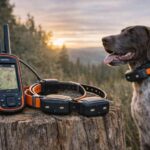
Losing sight of your dog — even for a few minutes — can be terrifying. Smart dog collars are designed to reduce that risk by combining GPS tracking, activity monitoring, and real-time alerts into a single wearable device.
These collars go far beyond holding an ID tag. They connect to your smartphone, collect real-time data, and give you greater visibility into your dog’s safety and daily activity.
But how exactly do smart dog collars work? Are they safe, and do they require a monthly subscription?
In this complete beginner’s guide, you’ll learn what smart dog collars are, how they function, the different types available, their benefits and limitations, subscription costs, and how to choose the right one for your dog’s lifestyle.
What are Smart Dog Collars?
A smart dog collar is an advanced version of a regular collar that uses sensors, GPS, and sometimes Bluetooth or Wi-Fi to provide more than just an ID tag. Using their different features, you can
• Track your dog’s location in real time
• Monitor their activity and sleep
• Receive alerts if they leave a safe zone
• Collect health-related insights and more
Let’s take an example: Suppose your dog slips out of your backyard, a smart collar can immediately notify you on your smartphone.
Similarly, if your dog isn’t getting enough exercise or shows unusual behaviour, the collar can provide helpful data which you can use to take care of him at the crucial time.
How Do Smart Dog Collars Work?
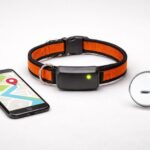
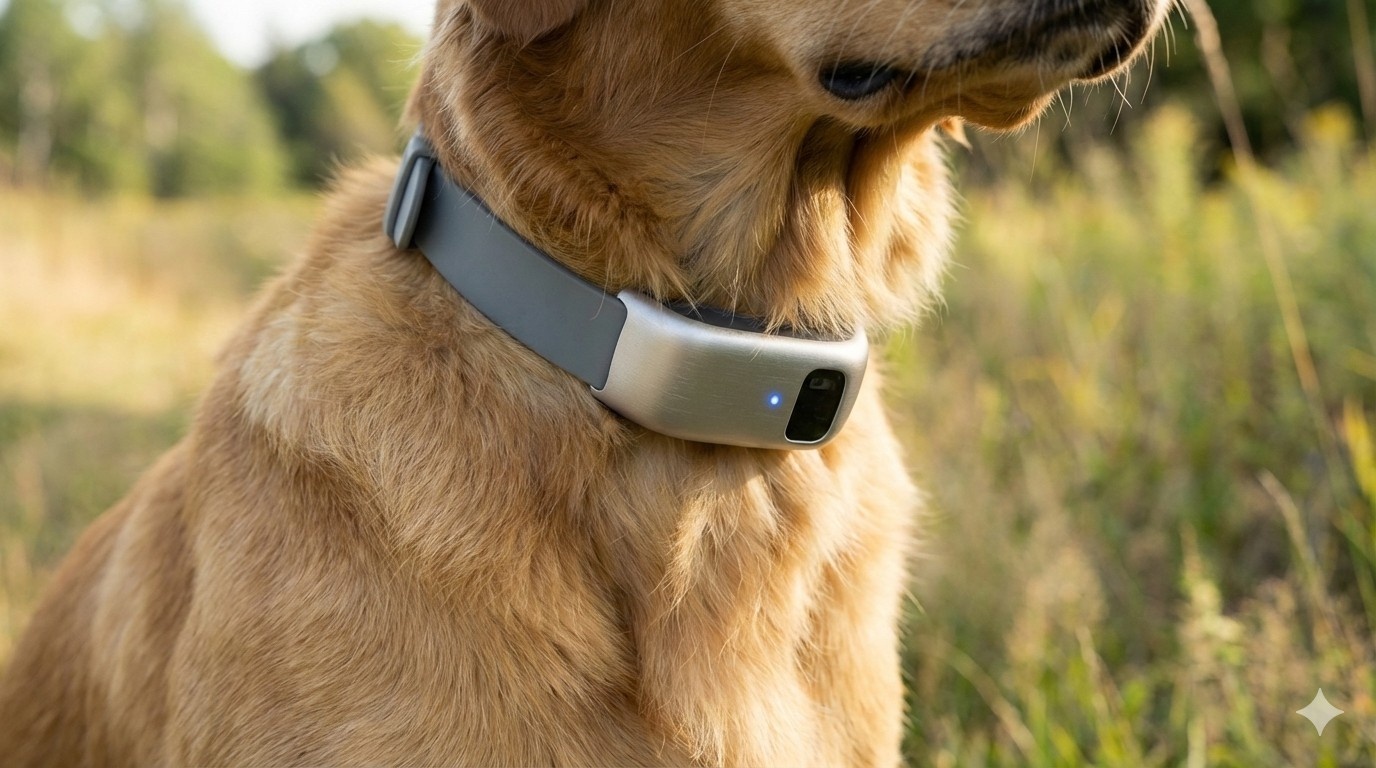
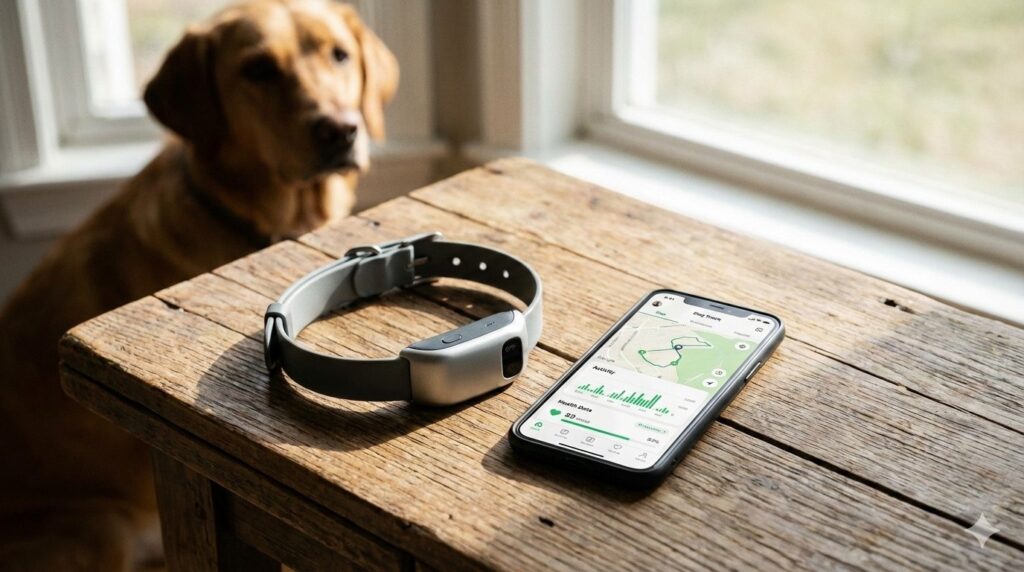
Smart dog collars use built-in sensors like GPS, accelerometers, and sometimes heart rate monitors. They connect wirelessly to your smartphone app via Bluetooth or cellular networks, allowing you to track location, activity, and health data in real-time.
Here’s a breakdown of the most useful features, which can give you an insight into how helpful a smart collar is.
Virtual Fencing (Geo-Fencing)
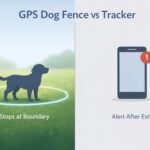
Being a pet owner, my personal favourite is Virtual Fencing, which allows setting up “safe zones” like your home or yard. If your dog leaves these areas, you’ll get an instant alert on your device.
Real Time GPS Tracking
You will never lose sight of your dog again with this feature. GPS-enabled collars allow you to pinpoint your pet’s location at any time. For outdoor or hunting dogs, GPS reliability becomes even more critical, especially in remote or low-signal areas.
Activity & Fitness Monitoring
Smart collars track your dog’s daily activity levels, calories burned, and even the rest time of your dog. You’ll know if your pet is getting enough play and exercise. This can really help in maintaining their routines & overall fitness.
Health Insights
Some smart collars can monitor unusual behaviours in your pets, such as excessive scratching, licking, or sudden inactivity. These could be interrelated and early indicators of health problems that you can discuss with your vet.
Waterproof & Durable Design
A wet collar can create odour and hygiene issues like skin Irritation. Moreover, it can damage the hardware & other components, making it ineffective.
That’s why most smart collars are water-resistant or waterproof, which makes them suitable for active dogs that love swimming or playing outdoors. So you need not worry about this as well!
Training Assistance
Certain collars come with sound, vibration, or light cues that can be used for basic training. While not a replacement for hands-on training, these can help reinforce commands.
Types of Smart Dog Collars
Comparison: GPS vs Activity vs Training Smart Collars
| Feature | GPS Tracking Collar | Activity & Health Collar | Smart Training Collar |
|---|---|---|---|
| Primary Purpose | Real-time location tracking | Fitness & health monitoring | Command reinforcement & obedience training |
| Uses GPS | Yes | Usually No | Rarely |
| Requires Subscription | Usually Yes | Sometimes | Usually No |
| Activity Tracking | Basic | Advanced | Limited |
| Training Tools | No | No | Sound / Vibration (some include static correction) |
| Best For | Escape-prone or outdoor dogs | Weight management & health tracking | Obedience training & habit improvement |
| Battery Life | Moderate (depends on tracking frequency) | Longer (no constant GPS use) | Long (if not GPS-enabled) |
Each type serves a different purpose. If your priority is preventing loss, GPS tracking is essential.
If you’re focused on fitness and health monitoring, an activity collar may be sufficient. Training collars are better suited for training support rather than GPS tracking.
Are Smart Dog collars safe for Pets?
Safety largely depends on proper fit, correct usage, and the specific type of collar selected. To ensure your dog’s comfort and well being, keep these guidelines in mind:
- Choose the correct size to avoid choking or discomfort.
- Avoid collars with harsh static correction; vibration or sound-only options are generally safer.
- Make sure the collar is lightweight and breathable, especially for small breeds.
When fitted and used properly, a smart collar is generally as safe as a traditional collar — with the added benefit of tracking and monitoring features.
GPS and Radiofrequency Safety
Smart dog collars that use GPS and cellular connectivity operate at low radiofrequency levels similar to smartphones and other everyday electronics.
These devices are regulated under consumer safety standards, and there is currently no reliable scientific evidence showing that properly manufactured GPS pet collars cause harm when used as intended.
Proper Fit and Training Considerations
Beyond technology, physical comfort is equally important. The collar should fit snugly but allow you to slide two fingers underneath. Dogs should be supervised when first wearing a new device to ensure it doesn’t irritate. Additionally, collars that use static correction remain controversial, and many owners prefer vibration or sound-based training methods instead.
For a detailed breakdown of safety concerns, training modes, and radiation myths, read our full guide on smart dog collar safety.
How to Choose the Right Smart Dog Collar?
Choosing the right smart dog collar can feel tricky with so many options available. To make it easier, here’s a quick checklist covering all the key factors so that you can find one that fits your dog’s needs, your lifestyle, and your budget.
Perfect Fit: Measure your dog’s neck to ensure a snug but comfortable fit (use the two-finger rule). Pick a model that offers multiple strap lengths and fits securely without slipping.
Lightweight Design: Choose a collar that your dog can wear all day without discomfort, especially for small breeds.
Essential Features First: Focus on GPS tracking, geofencing, and escape alerts before optional extras like health monitoring (heart rate, activity), LED lights, temperature sensors, and behaviour alerts, etc.
Strong Battery Life: Look for a collar that lasts days to weeks on a charge (not just hours).
Reliable Connectivity: Make sure it supports the network available in your area (LTE, Wi-Fi, Bluetooth).
Durability & Weather Resistance: It must be waterproof or at least water resistant (IP67, IP68, or better). It’s been observed that rugged materials (nylon, TPU, reinforced casings) are preferred for active dogs.
Good App & Alerts: One must ensure that the mobile app is user-friendly with real-time tracking and notifications.
Subscription Transparency: Many collars in the market require a monthly or annual data plan. Make sure the cost justifies the features offered.
Trusted Brand & Warranty: Opt for brands with proven performance, user reviews, and warranty coverage. All are easily accessible online. Read real user feedback about comfort, tracking accuracy, and long-term reliability.
You can also go through our detailed guide on choosing a perfect smart collar for your pup.
Do Smart Dog Collars Require a Subscription?
Many smart collars today come with a subscription plan, and it’s important to understand why. The primary reason is that advanced features like GPS tracking, real-time alerts, and health monitoring rely on ongoing connectivity. Here’s a breakdown:
Why Subscriptions Exist?
Subscription is a recurring payment plan that unlocks advanced features. It covers server costs, GPS tracking, app maintenance, and software updates.
• GPS tracking: To locate your dog anywhere, most collars use a SIM card with a cellular data plan. This requires monthly connectivity to provide accurate, real-time tracking.
• Cloud-based data: Health, activity, and behaviour insights are often stored in the cloud. Subscriptions enable you to access this data anytime through the app.
• Real-time alerts & updates: Notifications like “your dog left the safe zone” or firmware/app updates require continuous connectivity to work properly.
What’s Included in a Subscription
- Live location tracking so you always know where your dog is.
- Activity and health monitoring, including steps, sleep, heart rate, and sometimes behaviour analysis.
- Advanced safety features, like virtual fences, escape alerts, or emergency notifications.
Do You Really Need a Subscription?
- Worth it: If your dog is active, spends a lot of time outdoors, or you want peace of mind with real-time location tracking, a subscription adds real value.
- Optional: Some basic collars do work without a subscription. If you only want basic features such as step counting or general activity tracking, some collars can function without a plan.
How Much Does a Smart Collar Cost?
The prices vary depending on the features and subscriptions. There are many well-known brands like Fi, Halo, and Tractive, which come with different prices and features. Here are some of the categories from which you can have an idea, as per your requirement.
• Budget Options ($40–$80)
○ Basic GPS or activity tracking
○ Shorter battery life
○ Limited app features
• Mid-Range ($100–$200)
○ GPS + health monitoring + app integration
○ Better battery and durability
○ Most popular choice among pet owners
• Premium ($250+)
○ Advanced GPS accuracy
○ AI-powered health monitoring
○ Long battery life
○ Multiple pets tracking
The Verdict: Pros and Cons of Smart Dog Collars
While the technology is impressive, smart collars aren’t perfect for every owner. Below is a quick breakdown to help you decide if the investment is right for your pet.
| Category | Advantages | Limitations |
| Safety | Instant Escape Alerts: Know the second your dog leaves the yard. | GPS Drift: Occasional “false alarms” can occur if the signal is blocked. |
| Health | Early Illness Detection: Monitor scratching or sleep changes before they get worse. | Data Overload: Can be overwhelming for owners who just want a simple pet. |
| Convenience | Digital History: Keeps a log of everywhere your dog has been. | Charging Fatigue: Another device you have to remember to plug in weekly. |
| Design | Durability: Most are built to survive mud, rain, and swimming. | Size/Weight: Can be too bulky for toy breeds or very small puppies. |
| Cost | Long-term Savings: Potentially lower vet bills through preventative care. | Monthly Fees: Most require a recurring subscription to work. |
Who Should Consider a Smart Dog Collar?
A smart dog collar is particularly useful for certain lifestyles and situations. It may be a strong fit if you have:
- A dog that tends to escape or explore beyond fences
- An outdoor or hiking companion who spends time off-leash
- A large rural property where boundaries are less defined
- An interest in monitoring activity levels and daily routines
In these cases, real-time tracking and monitoring features can offer meaningful peace of mind.
Who Might Not Need a Smart Dog Collar?
A smart collar may not be necessary if your dog is consistently supervised, lives in a secure environment, or rarely ventures beyond controlled spaces. It may also feel unnecessary if you prefer a low-tech approach to pet care or don’t want to manage charging and subscription costs.
For some owners, a traditional collar combined with microchipping may be sufficient.
Final Thoughts
Not every collar offers the same value. Before making a purchase, it’s important to research carefully — compare features, check subscription costs, and consider what truly suits your dog’s lifestyle and needs.
Ultimately, the best smart collar is one that keeps your pet safe, fits comfortably, and provides insights that genuinely help you care better — not just one with the most advanced tech.
Frequently Asked Questions :
What does a smart dog collar do?
A smart dog collar tracks your dog’s location in real time, monitors activity, and sends alerts if they leave a safe area. Some models also provide health insights and training features through a mobile app.
Do smart dog collars work in rural or low-signal areas?
They may lose live tracking in areas with poor cellular coverage, but most devices store data and update once the signal returns.
Do smart dog collars work without an internet connection?
Basic functions like step counting may work offline, but live GPS tracking, alerts, and cloud-based features require internet or cellular connectivity.
Can I use a smart dog collar without a monthly subscription?
Some smart collars offer basic features like activity tracking without a subscription. However, real-time GPS tracking and escape alerts usually require a monthly data plan.
The Smart Pet Gears Team (Team SPG) is a group of pet care researchers, product analysts, and writers dedicated to helping dog owners make informed decisions about smart collars, GPS trackers, and pet technology.
Our articles are based on manufacturer documentation, veterinary guidelines, testing insights, and independent analysis to ensure accuracy and transparency.